Six keys to economic reform in Iran
Iran meeting its target of 8% economic growth depends on how it handles six challenges that so far have hindered Iran’s economic development.
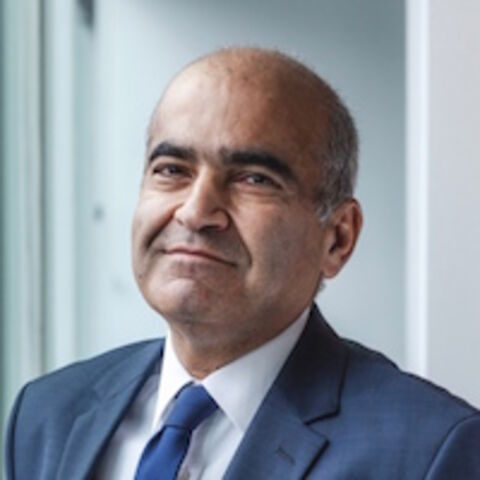

On June 8, during the commencement of the International Exhibition of Exchange, Bank and Insurance, Iran’s first Vice President Eshagh Jahangiri announced that the country needed an 8% annual economic growth and a 12% yearly increase in capital investments to generate the jobs required for a healthy path of development. He identified financing as the missing link in Iran’s economic development and called upon the financial sector to develop instruments to spread the burden of financing economic projects onto more institutions than banks.
There is no doubt that an improved financial sector would facilitate Iran’s economic development. However, there are a number of other missing links that will require sustained attention from the government and appropriate reform to prepare the ground for achieving the targeted economic growth.
Experts and analysts do not doubt Iran’s potential for economic growth. The country’s human resource base will be the central socioeconomic factor that under appropriate circumstances will facilitate fast-paced economic development. In fact, Iran has an above-average pool of educated workers. They may lack skills in some new economic sectors, but the base is solid, young and dynamic. Furthermore, the young average age of the population has increased the pace of sociocultural change, making Iranian society much more adaptable to new technologies and conditions, the main platform for the development of a knowledge-based society, the core objective of the country’s 20-Year Perspective. It is also important to note that the socioeconomic developments of the past decades have produced a predominantly urban society, with the majority of the population having been born and brought up in urban areas. This young, urban society provides not only the human resource pool, but also a dynamic market that can pave the way for growth.
In addition, the economy will benefit from a vibrant private sector and the country’s material wealth. Iran enjoys abundant natural reserves, as well as a geostrategic position as a regional hub for energy and trade. Incidentally, the country’s diverse economic base will also help the outlook for economic progress.


