Turkey's finance minister avoids politics, sticks to economy
The visit of Turkish Finance Minister Mehmet Simsek to Lebanon aimed at building economic ties and avoiding more controversial foreign policy matters.
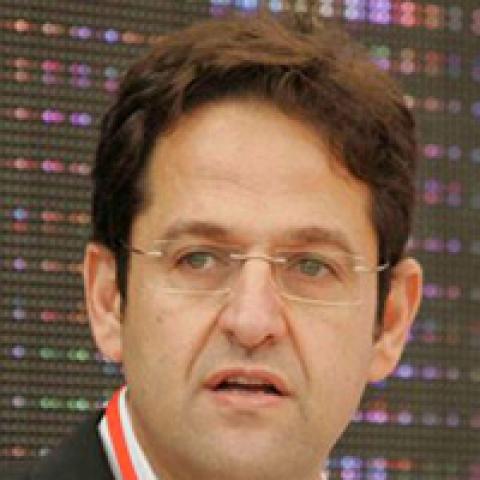

Turkish Finance Minister Mehmet Simsek's visit to Beirut on June 11 was not met with considerable media hype. Its content and symbolism, however, carry various signs and messages, especially since it follows a series of crises, both in Turkey and in the neighboring Levant.
It should be noted that the last time there was an official Turkish presence in Lebanon was in October 2013, on the occasion of the release of the two Turkish pilots who were kidnapped in Lebanon. That was a security visit par excellence, as it managed to steal the spotlight given the importance of the release itself, and because it came against the backdrop of sharp political divisions in Lebanon about Turkey's position on the Arab revolutions and the ongoing war in Syria specifically.
This time, however, the Turkish visit was economic par excellence. It went beyond the current regional crises with its security and political repercussions. It also went beyond many questions about the Turkish role and fell within a long-term developmental and strategic framework. Simsek met with Lebanese Prime Minister Tammam Salam and a number of political officials without issuing any statements. He wanted this visit to be limited to his participation as a main guest lecturer in a conference held on June 12 by the World Bank under the title, "Over the horizon: A new Levant."
The title is remarkable in itself. It recalls the pre-Arab revolutions period, especially the 2002-2009 period of the Turkish rise in the Middle East, the period of the arrival of the Justice and Development Party (AKP) to power and the rise of Recep Tayyip Erdogan along with the accompanying restructuring of Turkish foreign policy.


