Politicians, media mostly ignore Palestinian hunger strike
More than 100 Palestinian detainees being held by Israel without charge continue their hunger strike, but no one seems to notice.
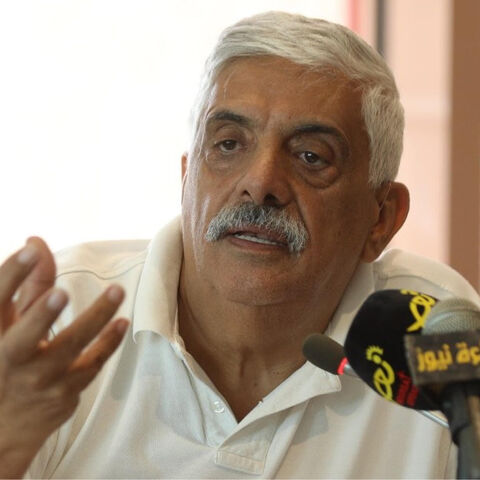

A courageous Palestinian hunger strike is nearing its 50th day, yet it has barely made a dent on the local, regional or international scene. Palestinian administrative detainees — those being held without charge or trial — are with their stomachs fighting an unjust practice carried out by a country that claims to be a democracy, but no one is paying attention. Israel currently holds 189 Palestinians under administrative detention, and 100 to 125 of them have been on a hunger strike since April 24.
On June 6, more than 40 days after the beginning of the strike and after 70 prisoners were transferred to hospitals, UN Secretary-General Ban Ki-moon publicly spoke out against the detentions, urging Israeli authorities to release the prisoners or charge them. The secretary-general’s statement came a day after the UN Special Committee to Investigate Israeli Practices Affecting the Human Rights of the Palestinian People and Other Arabs of the Occupied Territories urged Israel to heed the demands of Palestinian prisoners concerning what it called “arbitrary” detentions. “It is a desperate plea by these detainees to be afforded a very basic standard of due process: to know what they are accused of and to be able to defend themselves,” said the committee after a fact-finding mission that also included visits to Amman and Cairo. The committee stated that the massive hunger strike is in response to a lack of due process, as the administrative detainees are subject to unlimited renewals of their detention period, again without formal charges against them.
To bring attention to the plight of these prisoners, Palestinians in the West Bank held a partial general strike on June 8. In Gaza, hundreds of citizens held a candlelight vigil. Demonstrations in solidarity with the prisoners have also taken place in a number of countries, but they have attracted little notice. Social media efforts to bring attention to the hunger strike chose the hashtag #Water_and_Salt in Arabic, with the hope that it would generate international support, like the 2012 strike led by Adnan Khader, which succeeded in pressuring the Israelis into forgoing renewal of his administrative detention order.
Various other efforts have been made to humanize the hunger strike — including publishing profiles of the doctors, parliamentarians, teenagers and school teachers taking part — but, again, with little success. The strike has been eclipsed by major news from the region, including the visit of Pope Francis to the Holy Land, the Egyptian elections and inauguration of a new president and the ongoing violence in Syria, Iraq and Yemen. Meanwhile, Ukraine captured most of the international headlines.


