Mental health a concern for displaced Iraqis
Humanitarian organizations and residents of Babil have been providing material assistance to displaced persons from Kirkuk, but many of the displaced continue to suffer from psychological trauma.
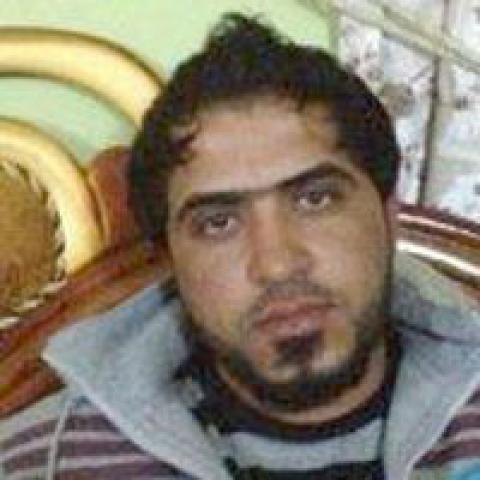

Hassan Tawfiq, who was displaced from the village of Bashir, 5 kilometers (about 3 miles) south of Taza Khormato in Kirkuk province, considers himself lucky. Hassan found himself a job in a bakery making bread and pastries to provide for his family of five, which fled to join him once he arrived in the city of Hillah in Babil province, 100 kilometers (about 63 miles) south of Baghdad.
In light of the high unemployment rate among Iraq's displaced, earning money is not easy, and most of the displaced still rely on scarce assistance for housing and essential daily needs, which is provided by residents, government agencies and humanitarian organizations.
In a province such as Babil, most of the displaced, who are estimated at more than 3,000, are distributed among schools and gymnasiums, while a smaller number stay in mosques and a few are in residents’ houses.
Omran al-Saadi, whose journey of displacement took him a month, told Al-Monitor, “I am happy about moving away from the brink of danger." He stressed, “The horror I have witnessed in Bashir village has pushed me not to think of going back there again.” Saadi added, “Gunmen slaughtered a young man based on his ID, while we were on the verge of death.” Along with others staying in a classroom filled with displaced persons in a school in the town of Mahawil in northern Babil, Saadi said, “They are unwilling to return to where they are from.”


