Israel ignores calls to lift Gaza siege
The breakdown of cease-fire talks is largely based on the Israeli government’s reluctance to lift the Gaza siege, which it perceives will give Hamas the impression of winning.
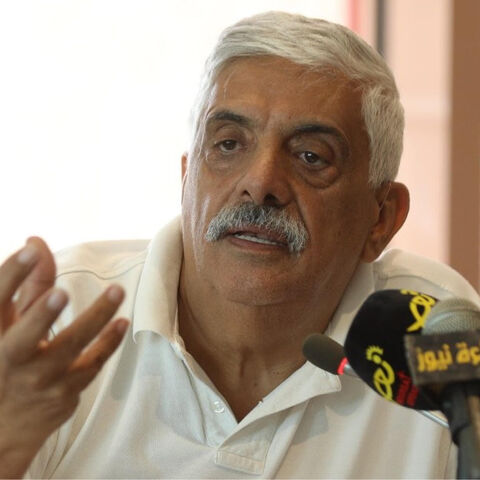

Indirect Palestinian-Israeli talks under the sponsorship of the Egyptian government have collapsed, but if and when negotiations resume, they will most likely pick up where the talks left off.
Despite Israeli arguments to the contrary, the 11-point Egyptian proposal appears to be closer to the Israeli point of view. The only real problem for Israel has been a public relations problem. They are afraid of any agreement that might give Palestinians the appearance of victory.
The main issues that remain to be resolved focus on Palestinian freedom of movement and the status of Palestinian seaports and airports. Other unresolved issues are the release of the recent Palestinian prisoners, including parliament members, and the timing of the lifting of some elements of the Israeli siege. Palestinians and Egyptians have not added the Rafah border crossing to the discussion because they plan to resolve that issue in bilateral talks. Europeans have come out strongly in support of the return to the 2005 arrangement where the Presidential Guard manned the crossing with supervision from the European Union Border Mission in Rafah.
Palestinians insist that the Gaza ports are guaranteed in the Oslo Accord and therefore are an already established right. The Palestinian delegation wanted at a minimum to continue working on preparing these ports. Israel destroyed the airport runway in 2002. Work on the seaport had not started. Palestinian experts have traveled to the Netherlands to learn how to take care of breaking waves, a potential problem that has historically been the reason why Gaza has not had a seaport. Israel is adamant in rejecting at present any work on the ports, making such an effort connected with proof of demilitarization by Hamas and Islamic Jihad and a commitment not to dig any tunnels toward Israel


