Baghdad welcomes Lebanese, but they don't see eye to eye
The Lebanese delegation to Baghdad offers diplomatic help to confront the Islamic State (IS), but it seems both parties have different priorities.
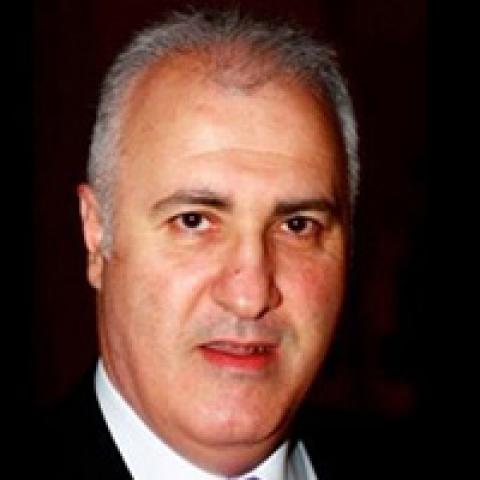

With some frustration and bitterness, the official Lebanese delegation returned from its visit to Baghdad and Erbil a few days ago, on Aug. 20. Led by Lebanese Minister of Foreign Affairs Gebran Bassil, the delegation visited Iraq’s capital, Baghdad, as well as Erbil, the capital of the Kurdistan Regional Government (KRG). The purpose of the visit was to discuss with local authorities the means of providing them with the required diplomatic help to face the Islamic State (IS).
This help is especially crucial after the alleged war crimes and crimes against humanity said to have been committed by this group’s extremist Sunni members in Mosul and the northwest of Iraq as well as in the Ninevah valley, which they later occupied.
Bassil had previously obtained a resolution from the Lebanese government so Lebanon could ask the general prosecutor at the International Criminal Court to investigate the events in these [Iraqi] regions that could be subject to international criminal prosecution. According to the Rome Statute, the International Criminal Court has the authority to carry out such prosecutions.
A member of the delegation told Al-Monitor, “Matters in Baghdad are at a completely blurry stage,” and, “There are no clear signs concerning the measures that the Iraqi government is willing to take. There is neither a vision nor a plan for how to face IS.”


