Palestinian unity scores concessions from Israel in Cairo
Key Palestinian political forces are becoming increasingly aware that only through unified action can the cost of Israel's occupation be raised.
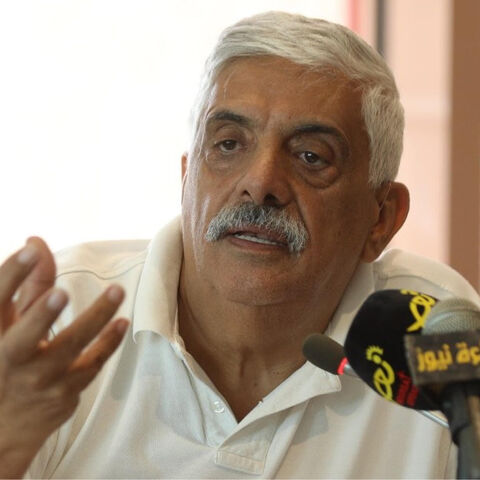

The decision by the Palestinian delegation in Cairo to extend the cease-fire another five days and the statements by its head, Azzam al-Ahmad, that most issues for a permanent agreement have been resolved point to a breakthrough of sorts.
Gazans appear to be on the verge of seeing the gradual lifting of a cruel and inhumane siege that has been going on for seven years, leaving the question as to what made the Israelis change their position.
Palestinian unity, best articulated by what looks now like a smart decision by President Mahmoud Abbas to create a unified delegation headed by a PLO official, of all factions including Hamas and Islamic Jihad, has made a major contribution. And while this unity has made a contribution, there was clear strength in the Palestinian negotiating team that was never seen during the nine-month political negotiations between chief Palestinian negotiator Saeb Erekat and Israeli Minister of Justice Tzipi Livni.
The difference between the two sets of negotiations was certainly not the individuals or the parties involved, but the very fact that Palestinian negotiators were able to walk away from the talks if the Israelis didn’t take them seriously. Even though the Cairo talks were indirect, it was obvious from anyone following them that they were much more productive than the US Secretary of State John Kerry-sponsored meetings.


