Why Israeli Arabs aren't voting in the next elections
Residents of the Israeli Arab city Umm al-Fahm cited ongoing discrimination in employment and development resources as why they would not vote in upcoming elections.
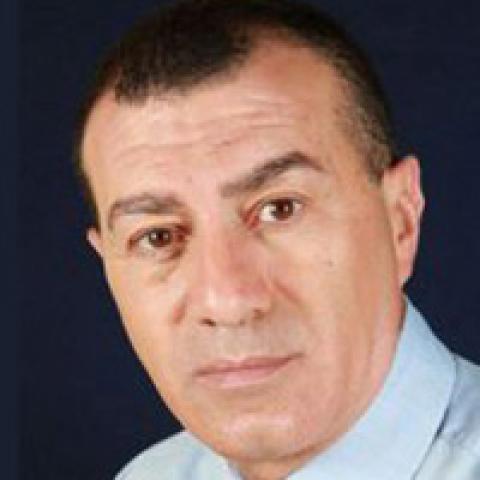

In Umm al-Fahm, the largest Arab city in Israel, there’s no atmosphere of elections in the air. While the Arab parties are all abuzz just from the possibility of uniting to pass the voting threshold, the citizens they wish to represent couldn’t care less. Unlike what unfolds in the city during more exciting times, there are neither billboards in the streets nor graffiti on the walls. At the cafes and in the market, the elections are mentioned merely as a sad anecdote. Nobody believes that change will follow the elections; quite the contrary.
Slated to take place in just over two months on March 17, the elections, which could significantly affect the status of Arab Israelis in the country, do not really interest them. Indifference would be the mot juste to describe the voices I heard while visiting the city Jan. 5, to gauge whether this time Arab Israelis will change their electoral pattern since the 2001 elections — a pattern ranging from boycott to disinterest — and will cast their vote.
“[Prime Minister Benjamin] Netanyahu will be elected the next prime minister anyhow, and [Foreign Minister Avigdor] Liberman and [Minister of Economy and Trade Naftali] Bennett will join hands with him. So why should we take part in this charade?” asked Mohammad Agbaria, a meat store owner. The shoppers at the store all agreed with him. “Nothing will change and nothing will happen,” said Ibrahim, who presented himself as a father looking to provide for his three small children.
“The Arab vote could have an effect on the results of the elections,” I insisted. Yet, from their trenchant replies I understood what the people in Umm al-Fahm mean when they say nothing will change. “Even if Netanyahu isn’t elected and is replaced by someone else — that won’t change our situation. Look at the way we live. Nobody bothers to look in our direction. We’re like air, transparent — in everything. Even the Israeli media show no interest in us. They only think of us when elections take place. They come to see how we vote. The hell with them,” said Issam, a member of one of the largest families in town who asked not to be identified by his surname, the reason for which I later understood.


