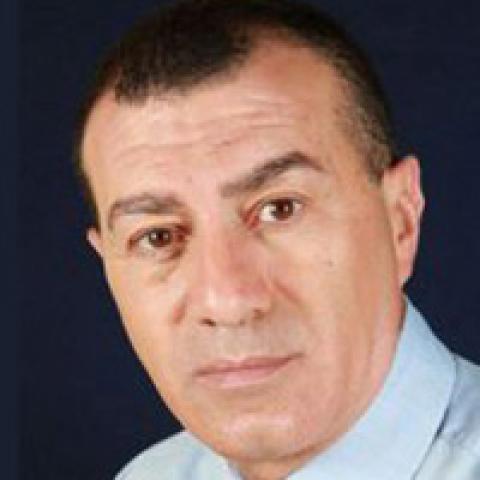
The Labor Party has picked its A-team. The list of Knesset candidates elected in the Jan. 13 party primaries is diverse, young, socially oriented and dynamic. It has an impressive representation of women and one Arab candidate, Zuhair Bahloul, who's supposed to carry on his shoulders the entire Arab sector.
The Labor Party reserved only one realistic slot for a non-Jewish candidate. This relays the impression that the party is convinced that it is a waste of time and there is no way Arab voters, who in the past provided Labor with at least two Knesset seats, can be persuaded to change their minds and return.
In the two months before the March 17 elections, the party’s candidates will travel up and down the country, trying to persuade more and more voters disappointed with the Likud Party to vote for them because, without new constituencies, Labor Party Chairman Isaac Herzog and Hatnua leader Tzipi Livni do not have much hope. The latest polls show Labor with a slight advantage over Likud. But even if these findings turn out to be the real election results, the Labor Party will not be able to form the next government. The right-wing bloc in Israel is still bigger than the combined votes of the left and center, even if the Arab parties’ votes are also counted.
Arab Israelis served their divorce papers to the Labor Party and the entire Israeli political system in the 2001 elections. Until then, Labor had active branches throughout the Arab sector. These disappeared at once when the prime minister and Labor chairman at the time, Ehud Barak, was deemed by many in the Arab sector to have been the one mainly responsible for the killing of 13 Arab demonstrators in October 2000. The branches were shut down, the voters disappeared and Labor went on to deal with its many problems.
AL-MONITOR All-Access gives you unlimited access to all our journalism, the full Daily Briefing, exclusive interviews, premium newsletters, and live events — for less than $2/week.