One Palestinian's quest for a US visa
After being granted a scholarship to study in the United States, a Palestinian media lecturer struggled to reach the US Consulate in Jerusalem, where he was shocked to see Palestinians and Israelis being treated equally.
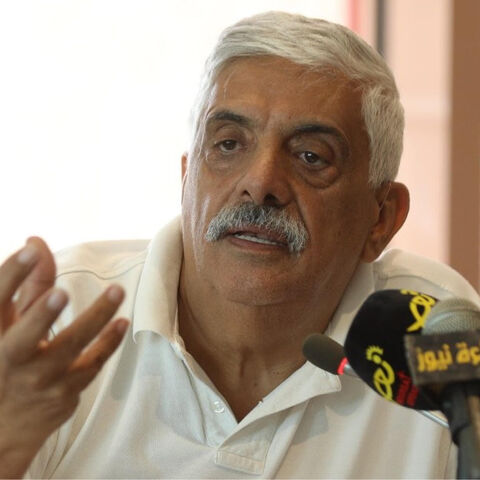

When "Mahmoud" won a scholarship to get his Ph.D. from a US university, he was ambivalent. After all, he had always been politically opposed to the Americans because of their foreign policy even though he was impressed by their democracy. In fact, Mahmoud, a lecturer on media ethics who asked to use a pseudonym because of the sensitivity of the subject, is not a big fan of the Palestinian president, and US ally, Mahmoud Abbas. Despite Mahmoud's father having been a Fatah leader, he has generally voted for Hamas candidates in student council elections and did so as well in the decisive 2006 parliamentary elections, which Hamas swept, winning 74 of the 132 Palestinian Legislative Council seats.
After Mahmoud's paperwork was finalized and his documents arrived from the United States, all that remained was an interview at the US Consulate General in Jerusalem, but there was a problem: Jerusalem was beyond the wall, and the only way to reach the city was to get a permit from Israel. Mahmoud and his wife applied for permits, and she was immediately approved. His application was held up; the requirements for security clearance for Palestinian women are usually much lower than those for men. As the interview neared, Mahmoud still had no permit. He began thinking about a plan B. A work colleague from Jerusalem offered to drive him into the city using the settler road, where soldiers don’t usually check every car, but that worried Mahmoud.
What would happen to his colleague if they were stopped? Would the US officials punish him if they found that he had been "smuggled" into the city? He had an official letter from the US Consulate showing that he had an interview, but friends told him that soldiers only accepted Israeli-issued permits in the city, which Israel unilaterally annexed following the 1967 war and subsequent occupation.
Efforts to convince the Americans to open an office in the West Bank, as have most diplomatic missions, have not been fruitful. The White House, trying to stop Congress from moving the embassy from Tel Aviv to Jerusalem, had too much on its plate to take up the cause of a new mission in the West Bank. Also, establishing a diplomatic mission in the West Bank could be interpreted as recognition of Palestinian statehood and would be met with strong opposition by pro-Israeli members of Congress.


