Why did Lebanon's security initiative fail?
Lebanon's former director-general of General Security told Al-Monitor that his initiative to free the abducted Lebanese soldiers and to drive the Islamic State from Lebanon was welcomed by Syria but rejected by the United States and Lebanon.
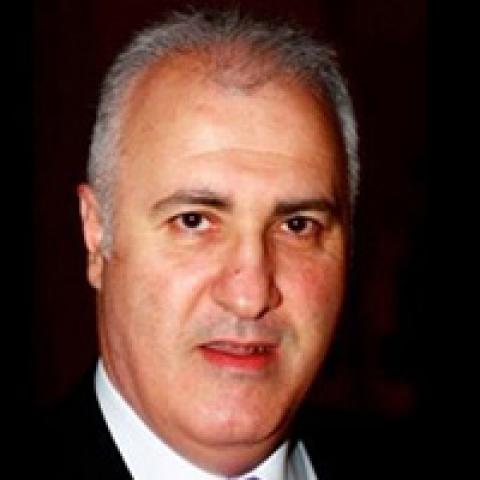

Maj. Gen. Jamil al-Sayyed, Lebanon's former director-general of general decurity, revealed to Al-Monitor that the initiative to eliminate terrorist organizations from the Syrian-Lebanese border region and free the Lebanese soldiers held captive since August 2014 failed due to political reasons and international interests.
Sayyed was a prominent decision-maker in Lebanon, even before 2005, and has continued to handle delicate issues. He earned the trust of Syrian President Bashar al-Assad and Hezbollah’s Secretary-General Hassan Nasrallah, as he was considered the most powerful man in Lebanon during the Syrian occupation (1991-2005). Sayyed was the central contact between Damascus and its allies in Lebanon, mainly Hezbollah.
Sayyed said that the initiative to free the captured Lebanese soldiers had been on the table since November 2014, when he met with Assad in Damascus. The Lebanese soldiers had been held captive for several months, and clashes had broken out between the Islamic State (IS), on the one hand, and the Lebanese army and Hezbollah militants, on the other. That was when Sayyed tried to launch an initiative to end the ongoing bloodshed.
Sayyed said that he discussed with Assad the general terms of the initiative to free the soldiers, in which the Lebanese army would launch a series of military operations in the barren lands of Arsal to tighten the noose on the militants positioned there. In parallel, the Syrian army would take similar steps from the Syrian border in the town of Qalamoun. If the two sides managed to surround the terrorists, an international party would then intervene and broker a deal with the militants.


