New report outlines Al-Aqsa Mosque recommendations
The International Crisis Group report on Al-Aqsa compound in Jerusalem tackles this controversial issue for Muslim Palestinians and Israeli Jews, and proposes recommendations to de-escalate the tension between all concerned parties, including Jordan.
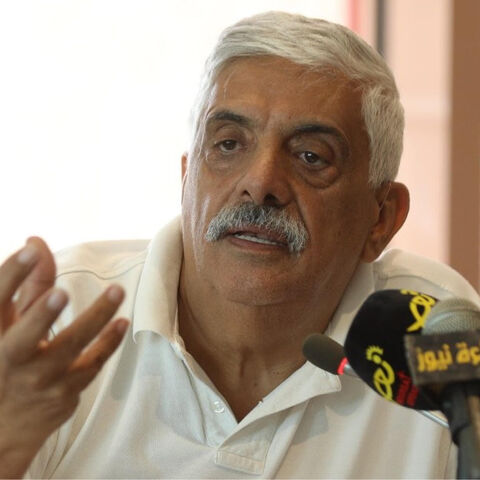

The status of Islam’s third-holiest site, Al-Aqsa Mosque, has been the subject of many academic and research efforts, most of them with an ideological bias. Israeli Jews consider the site of utmost importance to them and most research associated with Israel reflects this view. Some right-wing Israelis often try to stir up other Jews about access to the compound that houses the mosque, emphasizing that the Jews who won the 1967 war still “don’t have unfettered access,” including the right to pray at the mosque.
Arab Muslims fear Israeli attempts to Judaize the site, or, at best, to impose a policy where the site is shared with Jews, similar to the arrangement at Hebron’s Ibrahimi Mosque, where over the past 48 years prayer areas in parts of the mosque are shared by Jews and Muslims. For Muslims, the entire walled and guarded compound that includes Al-Aqsa Mosque — Masjid Omar, the Islamic Museum and the courtyards — is generally referred to as Haram al-Sharif (Noble Sanctuary) and is regarded as one holy site.
The highly sensitive issue of Al-Aqsa compound was addressed by the International Crisis Group (ICG) in Brussels with an unprecedented in-depth study. To avoid any linguistic bias, the nongovernmental organization referred to the compound — known to Muslims as Haram al-Sharif and to Jews as Temple Mount — as the "Esplanade."
When Israel occupied Jerusalem in June 1967, the issue of Jews entering the Esplanade area was indefinitely postponed as a result of a convenient ruling by the Chief Rabbinate on June 10, the last day of the June 1967 War. It ruled that because the location is holy to Jews, no religious Jew is allowed to set foot on any of the area that is referred to as the Temple Mount by Jews in order not to defile it. The statement said: "In view of the fact that the holiness of the area never ceases, it is forbidden to ascend the Temple Mount until the Temple is built."


