Gaza's crowded political scene
In the absence of an applicable law governing partisan life in Palestine, the Gaza Strip has seen the emergence of dozens of new factions since 2000.
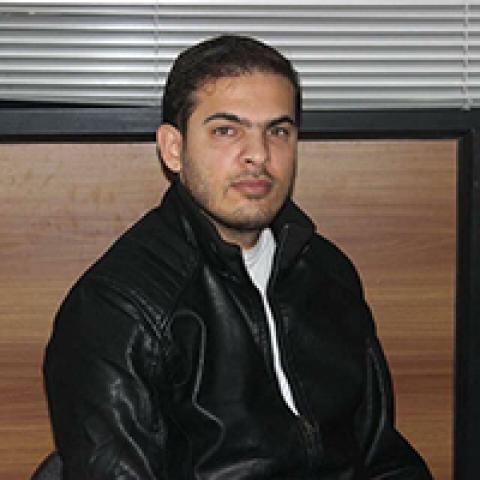

GAZA CITY, Gaza Strip — Al-Saberoon (The Patient Ones), or the Hesn movement, is the newest political and military organization among the Palestinian factions that emerged on the Gaza scene in May 2014. The movement is adding to the political and military work of dozens of factions that emerged to resist the Israeli occupation and work on the political level, since 2000 [in response to the intifada] and until this day.
Hisham Salem, a leading member in the Hesn movement, said that it is an Islamist, political, resistance movement whose main goal is to liberate Palestine, resist occupation and serve the Palestinian people in their homeland and abroad. Salem said the movement did not acquire permission to be operational in the Gaza Strip from any authority. In fact, Hamas does not consider the Hesn movement to be illegal, because it believes that Palestinians are in constant need of liberation efforts through armed struggle.
"Resistance movements do not need permission [to operate]," Salem told Al-Monitor. "Their legitimacy stems from the ongoing occupation in Palestine and from our resistance efforts for the liberation of the Palestinian territories."
Salem said that financial support was not always available for new movements, which is generally the case with factions as they rely on donations from Arab and Muslim parties concerned with the resistance and the services these factions provide.


