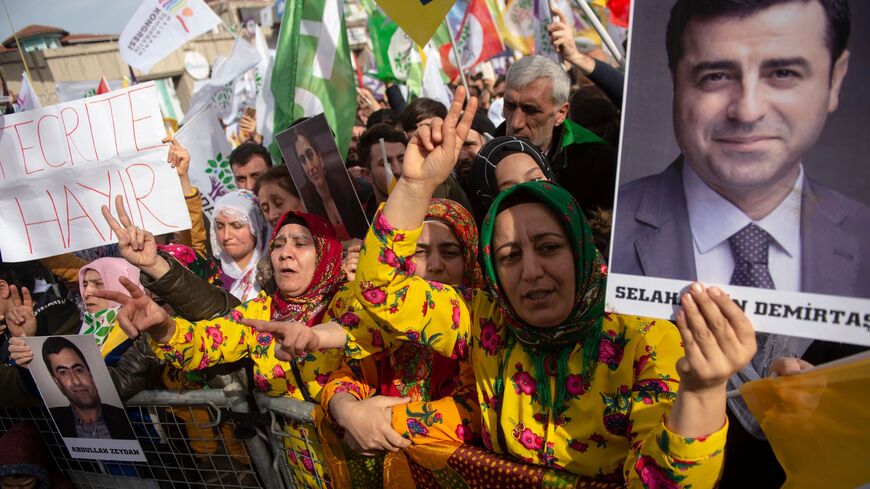
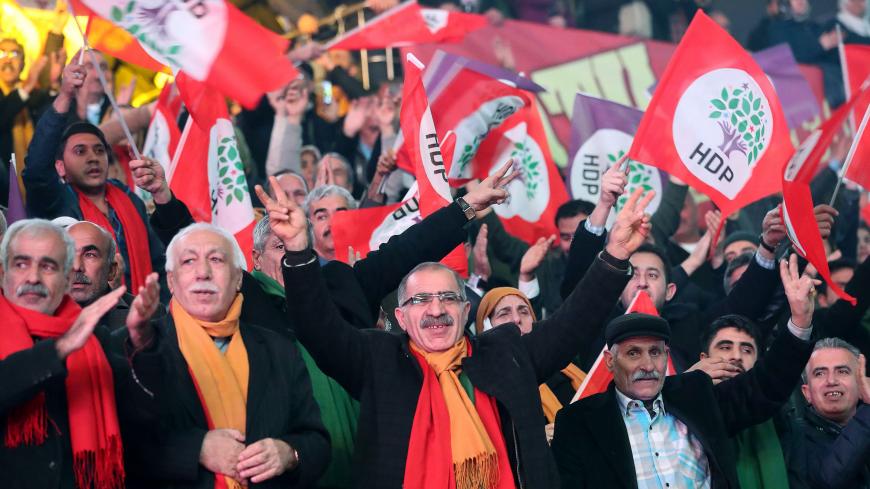
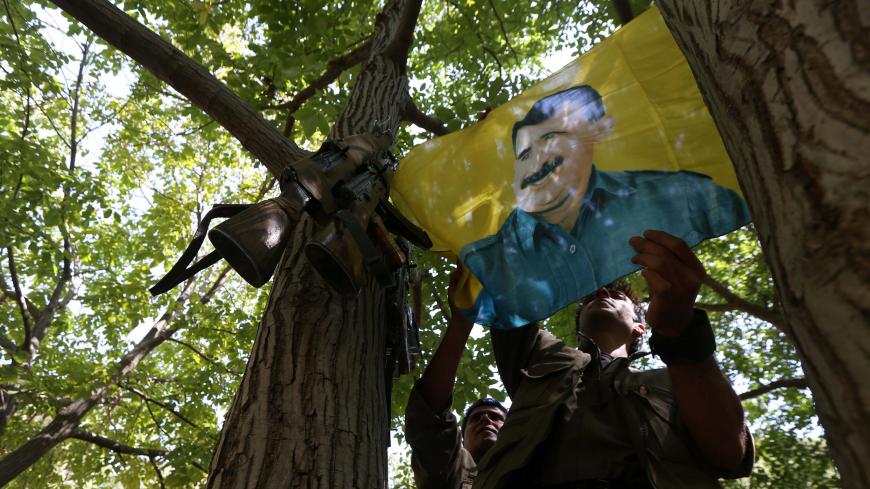
After the pro-Kurdish Peoples’ Democratic Party (HDP) won 6 million votes June 7, surpassing the required 10% election threshold, the question of the day was: Where did these votes come from? According to Erik Meyersson, an assistant professor at the Stockholm School of Economics, about 1.5 million conservative Kurds had decided not to vote for the Justice and Development Party (AKP).
His finding was confirmed by A&G polls that determined of the overall 13.1% the HDP received, 4.2% came from former AKP voters and 1.9% from former Republican People's Party (CHP) voters. About 18% of the votes for the HDP — about 1.1 million — came from Turkish voters with no ethnic connection to the HDP.
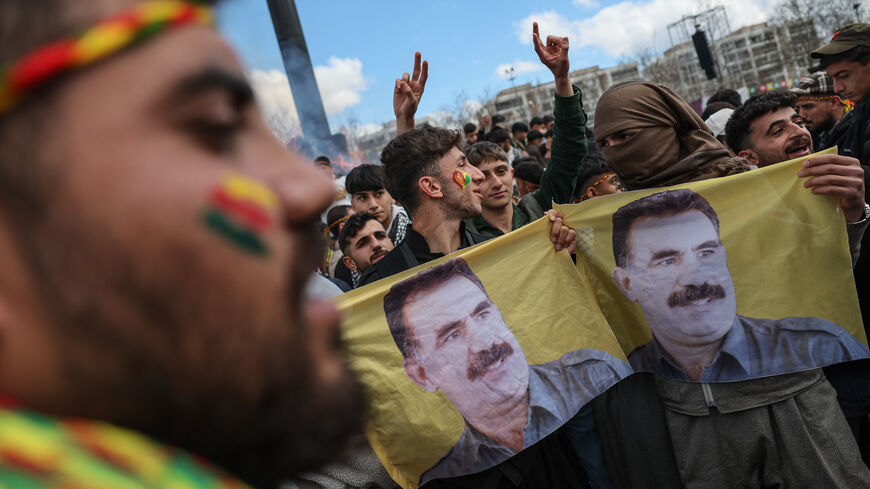
Adil Gur, who conducted the poll, offered this analysis: “If the HDP turns inward and opts for politics based on its Kurdish identity, the borrowed votes are likely to revert back to the parties they came from.”
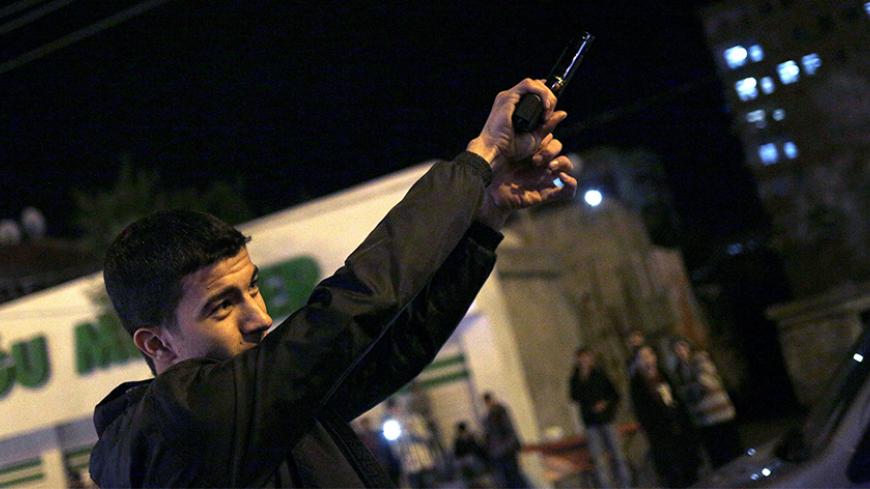
It's now possible to say that the HDP's unexpected success may well bring into question the legitimacy of armed resistance, the traditional tool of Kurdish politics. Will this success motivate the HDP to aspire to become a catchall party that will distance Kurdish politics from violence?
AL-MONITOR All-Access gives you unlimited access to all our journalism, the full Daily Briefing, exclusive interviews, premium newsletters, and live events — for less than $2/week.