Salehi reveals new details of secret US, Iran back channel
In an extensive interview, Ali Akbar Salehi, Iran's atomic chief and former foreign minister, reveals new details of the secret back channel to the United States.
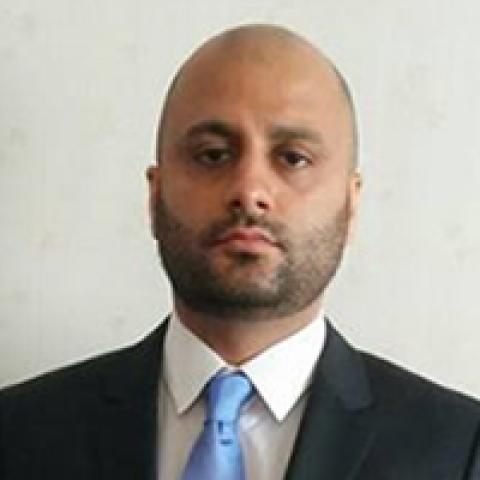

Over the past two years, Al-Monitor has broken the story of secret back-channel negotiations between Iran and the United States via Oman. According to US sources who have spoken to Al-Monitor, these contacts were initiated in 2011 and 2012, when Puneet Talwar, the National Security Council's senior director for the Persian Gulf at the time, and Jake Sullivan, deputy chief of staff to Secretary of State Hillary Clinton, participated in lower-level, “preparatory” meetings with the Iranians, facilitated by the Omanis, to see about the prospect of a bilateral channel led on the US side by William Burns. Subsequently, such higher-level talks were held in March 2013, three months prior to the June election of Iranian President Hassan Rouhani.
Now, the Iranian foreign policy magazine 'Diplomat' has published a three-hour interview with Ali Akbar Salehi, who served as foreign minister from December 2010 until August 2013. Of note, Salehi currently holds the title of vice president and heads the Atomic Energy Organization of Iran. The MIT-educated nuclear physicist played a key role in securing the July 14 Joint Comprehensive Plan of Action, leading the technical track with his US counterpart Ernest Moniz.
Al-Monitor has obtained the full transcript of Salehi’s interview, which includes so far unknown details of the secret US-Iran back channel on the nuclear issue — and how it was initiated.
According to Salehi, Iran first became aware of an American desire to meet bilaterally “in mid-1390” in the Iranian solar calendar, which corresponds with late summer of 2011. He said that Hassan Ghashghavi, then (and current) deputy foreign minister for consular and parliamentary affairs, who is in charge of pursuing the cases of Iranians jailed abroad, paid a visit to Oman. Specifically referring to the case of former Iranian Ambassador Nosratollah Tajik, who had been arrested in Britain in 2006, Salehi noted, “Through the support and cooperation of the government of Oman, and especially the sultan, we were able to free" these prisoners. Of note, two American hikers, detained in Iran in 2009, were also released via Omani mediation, on Sept. 21, 2011.


