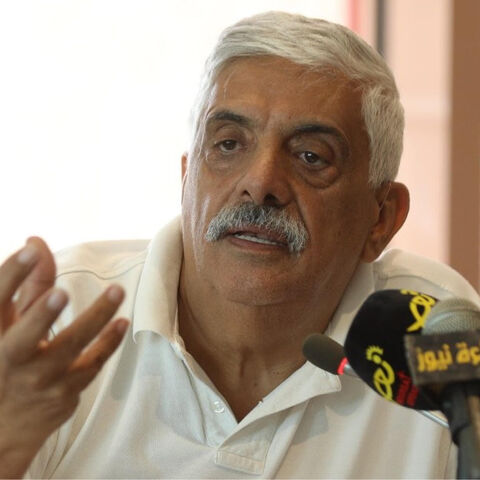
Yousef Darawbsheh, the vice general traffic observer at the Palestinian Ministry of Transportation, recalls how depressed he was after reviewing the 2011 World Bank report on the problems of transportation in the West Bank. The 2011 report titled “Making Transport Work for Women and Men: Challenges and Opportunities in the Middle East and North Africa” included case studies from Yemen, Morocco and the West Bank.
The West Bank case study reflected the negative economic growth by stating that “checkpoints and economic impacts of occupation disempower men as well as women.”
While Darawbsheh could do little because of the Israeli restrictions, he was further discouraged by some of the statistics in the World Bank study in regard to local transportation issues.
The study, for instance, showed that “only 32% of the women and 41% of men believe that public transport is comfortable for women and 33% of respondents complain about loud music.” The 31-page report also noted that “because routes are not enforced, operators avoid areas they consider unprofitable. Over half of the respondents think that public transport is comfortable while 40% think it is uncomfortable.”
AL-MONITOR All-Access gives you unlimited access to all our journalism, the full Daily Briefing, exclusive interviews, premium newsletters, and live events — for less than $2/week.