Why Iran’s bond market isn’t attracting the money it needs
Without reform to existing legislation on foreign currency-denominated government sukuk, Iranian authorities will continue to fail to attract the investment they need.
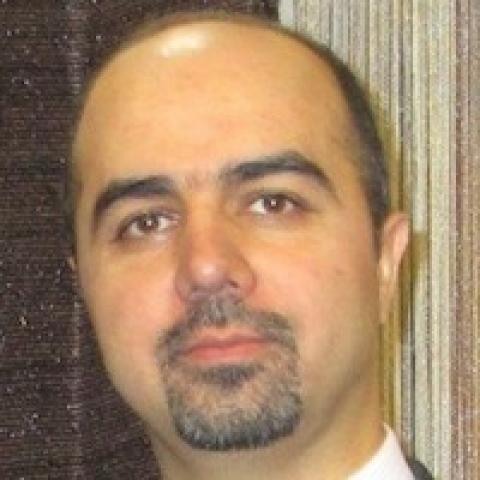

TEHRAN, IRAN — Despite efforts by Iranian authorities to draw multinational companies to the 9th International Exhibition of Exchange, Bank and Insurance held July 10-13 in Tehran, the foreign presence was not strong. Shahrad Padidar, the investment and business development director of Karafarin Investment Group, told Al-Monitor the weak presence of foreigners was predictable. Indeed, several key Iranian banks and investment companies also declined to take part in the event because they assumed such events would have little impact on their businesses, Padidar said.
“Foreign companies do negotiate — sometimes for long months — with Iranian brokerage firms, but at the end of the day they don’t make any investment due to political concerns,” he said, referring to his own experience in negotiating with European investors.
However, Ali Madad Soleimani, the publication and media director at the Securities and Exchange Organization (SEO), believes a stronger engagement of foreign investors in the country’s capital market is likely, though he admitted during his interview with Al-Monitor that only several foreign nationals were present at the exhibition — on the very last day of the event.
Iran’s capital market regulator has taken serious steps to make Sharia-compliant financial instruments more attractive for foreign investors. Sukuk, or Islamic bonds, for example, is the instrument Iranian officials have increasingly offered in the market, as it appears to have been attractive to investors. The value of the sukuk market has tripled since last summer, reaching 215 trillion rials ($6.95 billion), though the sum appears tiny when compared to the $250 billion in investment the Iranian government needs to implement its projects to boost the economy. Indeed, the sukuk industry may need more standardization; if not, it will remain relatively small. Yet, SEO chief Mohammad Fetanat told Al-Monitor he is confident that the market will boom in a few years.


