Jordan, Fatah’s Achilles’ heel
Jordan is perhaps Fatah’s most strategic geographic partner, and thus it was a no-brainer that Fatah accepted the request by Jordan not to have any Jordanian Palestinian delegates attend the seventh Fatah congress.

The Nov. 24 report in the Gaza-based Donia al-Watan website caught some by surprise. It stated that Jordan’s 26 delegates to Fatah’s seventh congress due to open Nov. 29 are no longer attending the congress due to “technical, logistical and security reasons.” The exclusive report stated that the Fatah leadership reassigned the seats to Syrian and Lebanese delegates to the congress.
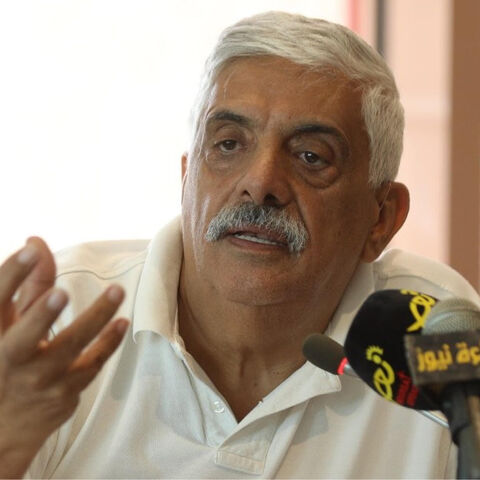
Najeeb Qadoumi, who was to lead the Jordanian-Palestinian delegation to the congress, confirmed the report to Al-Monitor. “It was a request by the Jordanian government, and the Palestinian leadership accepted it,” he said. Qadoumi noted the strategic importance of Jordan, saying, “The Jordanian government has been a staunch supporter of Palestine and especially in their position protecting the holy places in Jerusalem.”
Omar Kallab, a Jordanian Palestinian political activist from Gaza, told Al-Monitor that the decision follows rising tensions between Ramallah and Amman. “The last years have seen a cooling of relations for a variety of reasons. … The controversy over the FIFA [presidency] vote for Prince Ali bin al-Hussein of Jordan [Jordan claimed the head of the Palestinian Football Association did not vote for Prince Ali] and the disagreement over the installation of cameras in Al-Aqsa Mosque were some of the problems that have caused this tension,” he explained.
Kallab said that Palestinian rejection of a recent push by the Arab Quartet (Jordan, the UAE, Egypt and Saudi Arabia) was the final blow in the relations. “The Palestinian delegates were unable to answer in the affirmative when asked if they can guarantee that the results of the Fatah congress would be to the liking of the Quartet,” he said.


