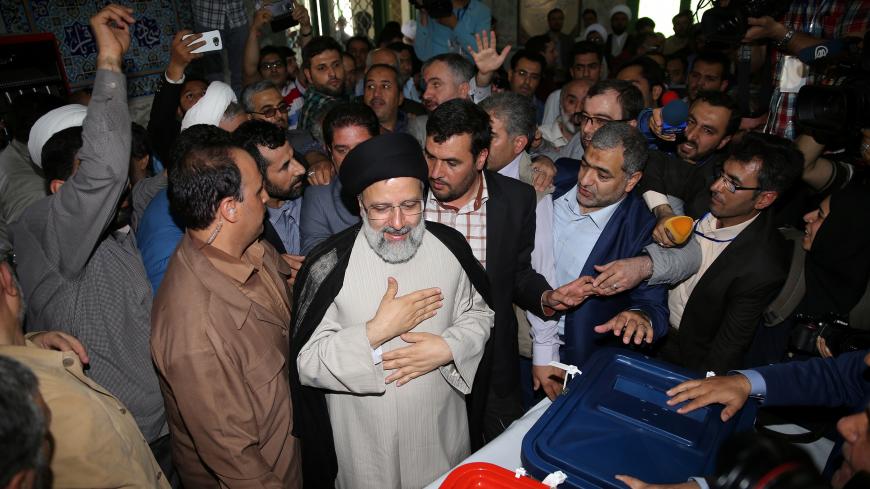
When Ebrahim Raisi was appointed a year ago to lead Astan-e Quds Razavi, Iran’s wealthiest and most influential charitable organization, few would have predicted that it could have ramifications for the country's next presidential election, scheduled for 14 months later.
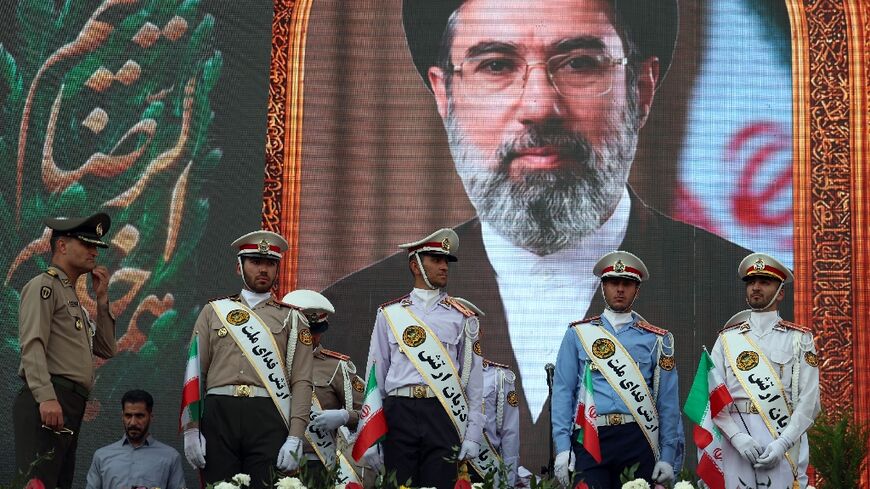
Before Supreme Leader Ayatollah Ali Khamenei selected Raisi to succeed Ayatollah Abbas Vaez Tabasi as head of Astan-e Quds Razavi, there had been little coverage of him by national news media outlets, despite his having a long history of working in the judiciary, dating back to the 1980s, including serving as attorney general (2014-16). Since his appointment, Raisi appears to have received a clerical promotion — with some media now referring to him as ayatollah rather than hojat al-Islam, a lower rank — and his every appearance or statement gets a featured spot in news agency reporting.
On March 29, Raisi visited a poor, rural village near Mashhad. Images of a somber Raisi walking among the dilapidated homes and talking to the villagers were shared widely across conservative media. According to reports, the directors of Astan-e Quds Razavi had traveled to the village for an up close look at the lives of the economically deprived.
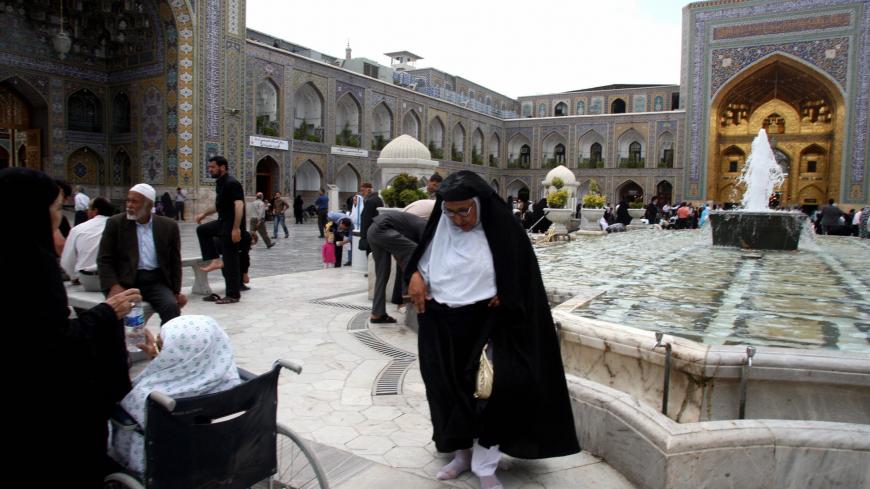
Astan-e Quds Razavi is linked to the shrine of the eighth Shiite imam, in Mashhad, which is the holiest site in Iran for Shiites. The organization, in addition to its endowments, has numerous investments and holds real estate around the shrine. It is not terribly uncommon that comments by the head of Astan-e Quds Razavi would receive widespread media coverage. With economic concerns looming large over the May presidential election, however, it appears that Raisi is using his organization's functions to raise his profile, particularly among the poorer classes.
AL-MONITOR All-Access gives you unlimited access to all our journalism, the full Daily Briefing, exclusive interviews, premium newsletters, and live events — for less than $2/week.