Turkey has become a minefield for journalists. Over a hundred of them are in jail and thousands of others are unemployed, either because of government pressure or because their media outlets were shuttered. The intrepid souls who soldier on often have to self-censor if they want to hold onto to their jobs. Foreign freelancers who aren’t guaranteed employment if they get kicked out of the country for rude reports about Turkey increasingly resort to self-censorship as well. The state of emergency in place since the failed July coup keeps getting extended. The restrictions on newsgathering are felt the most in the country’s war-ravaged mainly Kurdish southeast.
In this climate, a May 2 report published by the International Crisis Group, “Managing Turkey’s PKK Conflict: The Case of Nusaybin,” offers a treasure trove of insight and information on the situation in the Kurdish region. The report focuses on Nusaybin, a town on the Syrian border that was among the worst affected in the fighting that raged across the southeast after the 2½-year cease-fire between the security forces and the Kurdistan Workers Party (PKK) collapsed in July 2015.
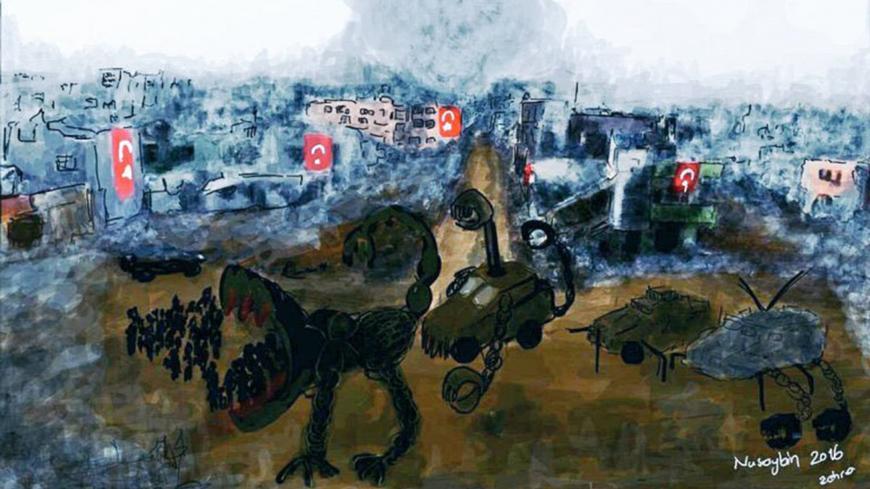
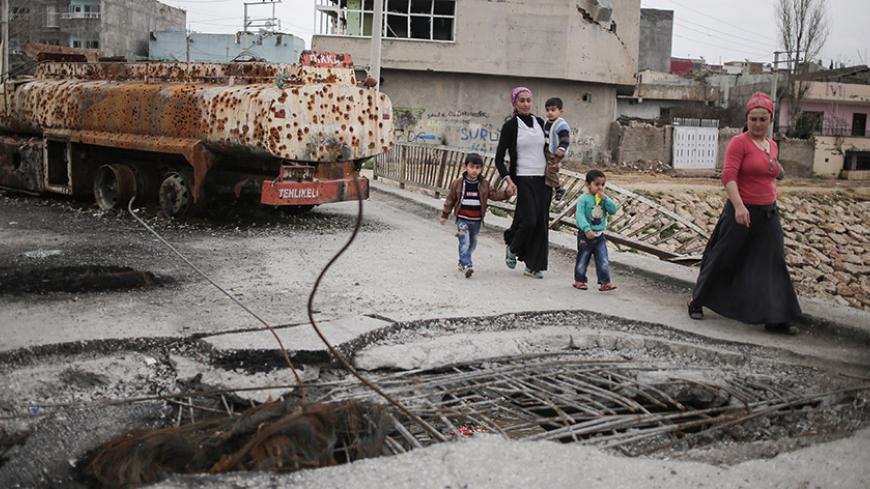
The report notes, "Nusaybin saw unprecedented violence in 2016, with a death toll of at least 184, of whom 24 were civilians. Six of the town centre’s fifteen neighbourhoods were fully destroyed, some 6,000 buildings were demolished or heavily damaged; around 30,000 people lost their homes.”
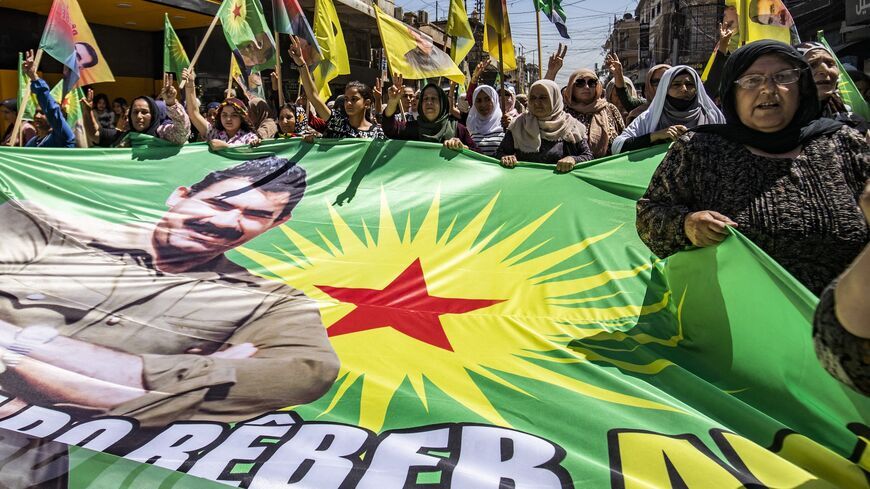
Nusaybin has always been a fount of Kurdish nationalism but its proximity to Syria adds a twist. Hundreds of Nusaybin’s residents cheered from their rooftops while thousands of others celebrated in the streets when PKK-linked Syrian Kurdish forces raised Kurdish flags over the town of Qamishli in July 2012, when Syrian regime forces withdrew from a string of majority Kurdish towns to fight opposition rebels elsewhere in the country.
AL-MONITOR All-Access gives you unlimited access to all our journalism, the full Daily Briefing, exclusive interviews, premium newsletters, and live events — for less than $2/week.