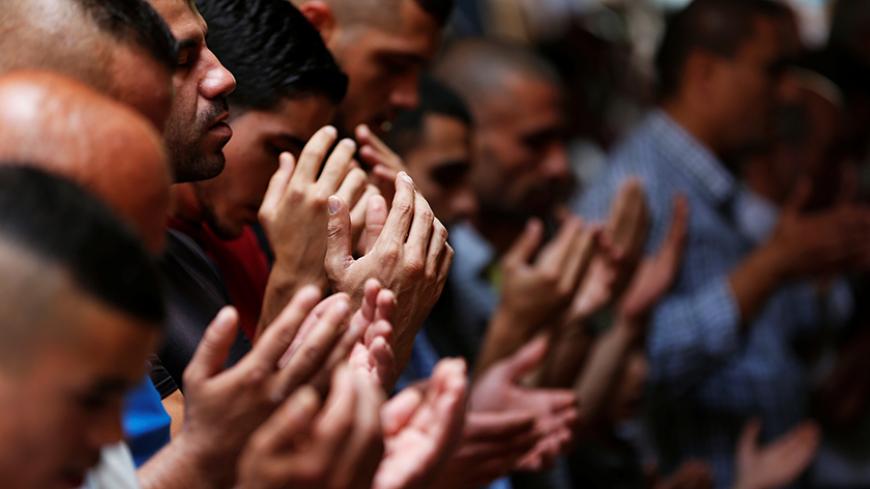
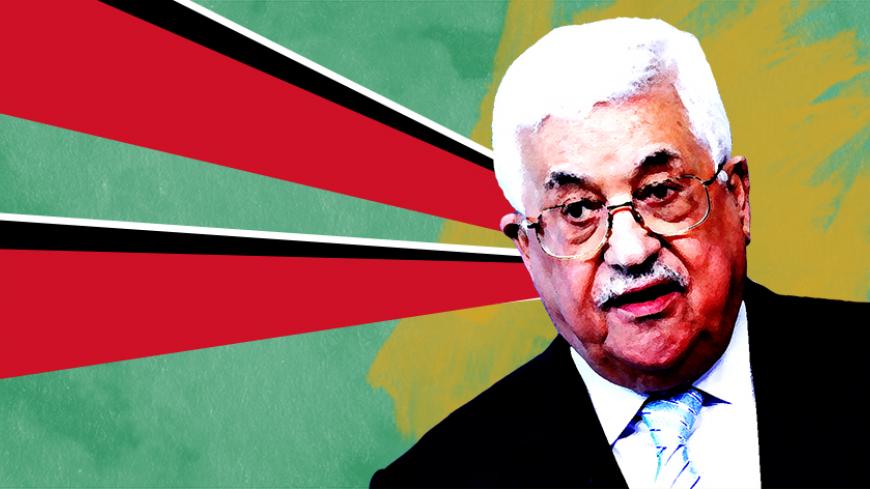
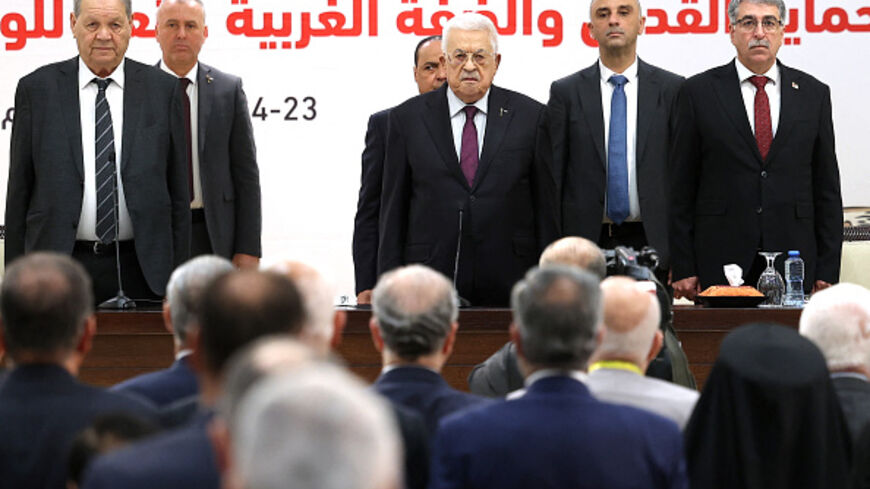
Palestinian President Mahmoud Abbas cut a visit to China short and returned to Ramallah on July 19 to be on hand on July 21 for Friday prayers at Jerusalem’s Al-Aqsa Mosque.
Palestinian Authority (PA) officials described the upcoming prayers as critical, given that Palestinians have been protesting and rioting since July 16 against Israel's introduction of metal detectors at the entrance to the Haram al-Sharif (or Temple Mount) following the July 14 terror attack there in which three Israeli Arab gunmen shot dead two Israeli police officers. Abbas has been aware that leading activists in Fatah, the movement he leads, have been inflaming popular sentiment and encouraging an escalation against Israel that could end in an uncontrollable bloodbath.
This is not the first time central Fatah activists, especially from the Tanzim, the organization’s armed wing, have gone against Abbas' expressed wishes and declared policy as he has gone about trying to resolve crises and ease tensions on the ground. That was the case earlier this year, for example, during the hunger strike by Palestinian prisoners in Israeli jails instigated by Marwan Barghouti, the senior Palestinian prisoner held by Israel, in an attempt to bolster his standing within Fatah.
With riots ongoing in Jerusalem and several other locations on the West Bank, Fatah declared July 19 a Day of Rage, urging the faithful to protest the new Israeli security measures. That particular declaration was not the only action raising Abbas' ire. In addition, Israel had given him information to the effect that Fatah officials were coordinating activities with the Waqf — the Muslim custodian of the site, which strongly opposes the metal detectors — and allocating resources to fan the flames.
AL-MONITOR All-Access gives you unlimited access to all our journalism, the full Daily Briefing, exclusive interviews, premium newsletters, and live events — for less than $2/week.