Will Palestinians shift strategy to include UN?
The Palestinians appear to have started a serious rethink of their national strategy, but it is crucial that they understand both the potential and the limitations that going the United Nations route will provide.
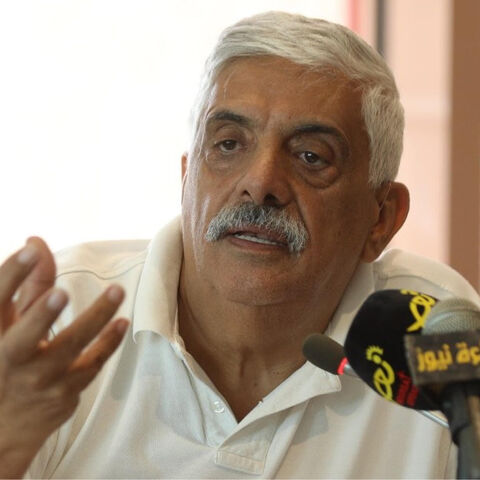

As the Palestinian leadership is set to call for a meeting of the Palestine National Council (PNC), the PLO's highest body, to review its strategy, the question of the United Nations looms larger than ever.
The Fatah Central Committee advised the PLO’s Executive Committee to hold a full session of the PNC as soon as possible. President Mahmoud Abbas, who would like to hold the session in Ramallah, hopes to forge a new strategy for Palestinian liberation.
The new strategy would depend less on the negotiations track and more on the internationalization track. This means that the PLO leadership will be working a lot more with the UN and the various international agencies to follow up on the UN General Assembly’s resounding 138-9 decision in November 2012 to recognize the State of Palestine as a nonmember observer state.
The State of Palestine is eligible to join tens of international agencies. Until now the Palestinian leadership has abstained from that in order not to anger Israel or the United States, especially during the Barack Obama administration. However, as Abbas said Aug. 20, that after more than 20 meetings with the negotiating team sent by President Donald Trump, the new US administration has yet to explain their position on the key issues. The United States has refused to utter the words “two-state solution.”


