Iraq sends Khamenei's envoy back to Iran with little to show
It appears Iran is trying to draw Iraqi Shiites together, but many religious leaders aren't willing to be herded.
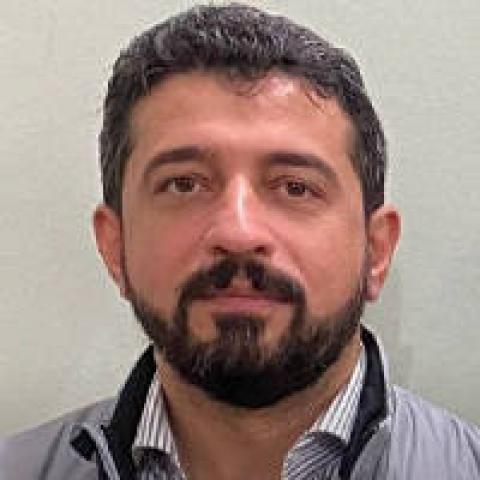

Ayatollah Mahmoud Hashemi Shahroudi, the newly appointed chairman of Iran’s Expediency Council, visited Iraq recently, fueling speculation about his political agenda. His meetings indicate that he most likely was seeking to unify Shiites ahead of the 2018 elections, although he doesn't appear to have succeeded.
Shahroudi, who is a dual Iranian-Iraqi citizen and was a senior leader in the Islamic Dawa Party and the Islamic Supreme Council of Iraq before he became involved in Iranian politics, was warmly welcomed by those two groups, but later in his weeklong visit, he found himself snubbed by others.
Sheikh Humam Hamoudi, a leader of the Islamic Supreme Council and the first deputy parliament speaker, greeted Shahroudi at the airport on Aug. 31. Later, Shahroudi met with Iraqi Prime Minister Haider al-Abadi and with Nouri al-Maliki, the leader of the Islamic Dawa Party and a vice president of Iraq.
In Najaf, however, Shahroudi was not welcomed at all. He did not meet with any of the four leading religious authorities there, even though he is one of the most prominent graduates of the Hawza (Shiite seminary) in Najaf and most likely knows all four clerics from the years he studied there.


