New Iraqi Kurdish alliance emerges as most parties still divided
As Iraq's parliamentary elections approach, the rise of a new tripartite Kurdish political alliance has highlighted the level of divide among the rest of the Kurdish parties hoping to contest the election.

As Iraq heads for parliamentary elections on May 12, the rift between the opposition and other forces governing the Kurdistan Regional Government (KRG) is growing increasingly wider.
In this vein, a tripartite alliance was put in place Jan. 10, between the Movement for Change (Gorran), the Kurdistan Islamic Group and the Coalition for Democracy and Justice, led by Barham Salih. The new tripartite National Alliance was built with the objective of running in the upcoming parliamentary elections in Baghdad, and winning in the disputed areas.
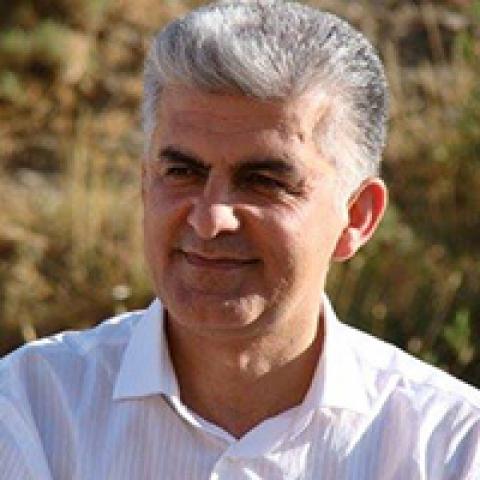
The Independent High Electoral Commission approved Jan. 16 the National Alliance’s List. Former Kurdish parliamentary speaker Yusuf Mohammed Sadiq, who represented Gorran and was prevented from returning to the Kurdish parliament due to worsened relations between Gorran and the Kurdistan Democratic Party (KDP) over the Kurdistan presidential term, was selected to lead the alliance.
This was followed by the registration of the Kurdistan Peace List, which is an alliance between the KDP, the Patriotic Union of Kurdistan (PUK) — the traditional partners in the government — and the Communist Party of Kurdistan.


