How Syrian war settlement could impact US decision on Golan Heights
Will the United States recognize Israeli sovereignty in the Golan after the war in Syria?
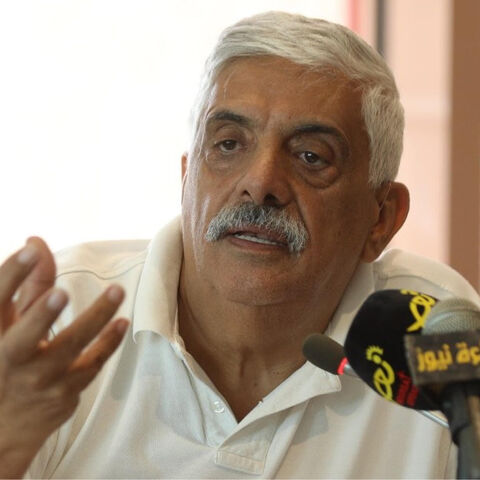

As signs of the end of the civil war in Syria loom, the Syrian residents of the Golan Heights are expressing concerns. The small Arab population that has remained in five small villages in the Golan Heights is worried that the residents could become victims of postwar wheeling and dealing between regional and international powers.
Nizar Ayoub, the director of the Al-Marsad Arab Human Rights Center in the Golan Heights, told Al-Monitor that the US recognition of Israeli sovereignty over the occupied Golan Heights is certainly a possibility. “In my opinion, US recognition is possible, but it has to do with the Syrian situation. If Syria is a united country, this would be more difficult; if Syria is divided into three zones as is happening now, this could happen.”
Nevertheless, Ayoub believes that if it happens, people in the Golan Heights will speak out loudly. “If there is a serious move or a decision in this regard, people will speak out. But the reality is that the postwar situation in Syria is key. If Syria is seen as a failed and divided state, this would be a possibility.”
Salman Fakhreddine, a Golani political activist and researcher, told Al-Monitor that there is a clear relationship between the US decision and the current talk about the occupied Golan Heights. “After what happened in Jerusalem and the move of the embassy, there is no way to predict what US President Donald Trump might do.”


