Likud leadership loses touch with base as it panders to ultra-Orthodox, far right
A poll on progressive Judaism indicates that most Likud supporters follow a more moderate line than the radical one espoused by the party leadership in an effort to court the far right.
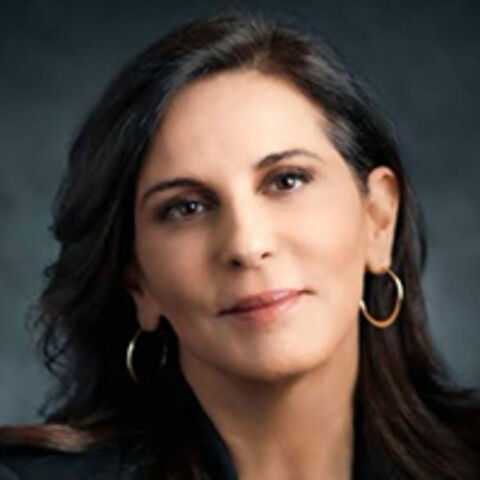

Culture Minister Miri Regev informed Prime Minister Benjamin Netanyahu June 28 that she was quitting her position as chair of a ministerial committee for the holy places. Needing a replacement, Netanyahu raised the issue at the Likud ministers’ weekly meeting on July 1 and was hardly surprised by the thunderous silence as no one volunteered to head the committee in Regev’s stead.
As chair of the committee, it was up to Regev to put together the compromise that would set aside a part of the Western Wall complex for men and women to pray together. Regev explained that her conscience prevented her from doing so. Hard pressed to find a volunteer, Netanyahu first took the position for himself until he was able to convince Minister Yuval Steinitz to accept the task.
The government has been kept busy trying to come up with a Western Wall compromise for the past year. The issue has already led to a serious rift with American Jewry (particularly the Reform and Conservative movements) when Netanyahu succumbed to ultra-Orthodox pressure and canceled his original proposal. In the ensuing saga, the case was sent back to the Supreme Court.
The Likud ministers’ silence was embarrassing, particularly since most of them are either secular or describe themselves as traditional in some way or another. (Ze’ev Elkin is the only Orthodox Likud minister). None of them should have opposed an egalitarian prayer space, but no one was willing to engage in this mission. This silence shows a fascinating phenomenon in the ruling party, with an impact on the entire political system. While most Likud voters are either secular or traditional, with moderate views on issues concerning religion and state, the Likud leadership has been aligning itself with the ultra-Orthodox.


