Political vacuum in Palestine leaves fertile ground for radical groups
The lack of progress in the Palestinian-Israeli conflict is creating opportunities for extremist groups to re-emerge, such as Hizb ut-Tahrir, which calls for the return of the Islamic caliphate.

The failure of the major Palestinian movements to produce any concrete results in ending the occupation has given an international Islamic movement a chance to shine. Hizb ut-Tahrir (Party of Liberation) is a unique organization that seeks the establishment of an Islamic state. They hope to recreate the caliphate system that initially ruled Islam after the death of the Prophet Muhammad. The party does not partake in or support violent or military resistance activities.
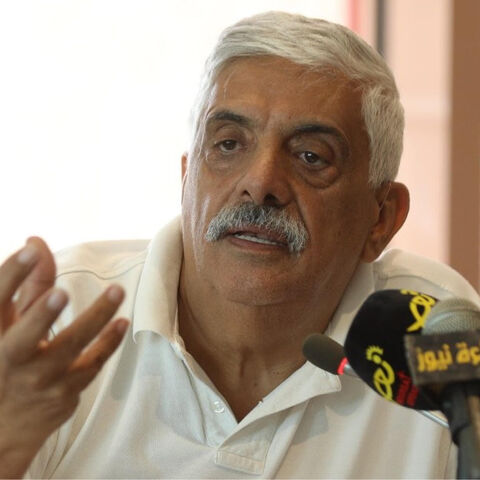
In Palestine, Hizb ut-Tahrir has recently focused on local social issues and not taken part in active resistance to the Israeli occupation. A spokesman of Hizb ut-Tahrir told Al-Monitor back in 2016 that Palestine is not their main cause.
Hizb ut-Tahrir was established in Jerusalem in 1953, but is now active in the occupied territories and throughout the world. It has a limited but dedicated following.
Hizb ut-Tahrir activists got in trouble recently in the Bethlehem area when they tried to organize a seminar that many women's organizations felt would incite violence against them. A delegation of Palestinian women's organizations went to the Bethlehem prosecutor with a petition against the event planned for Nov. 19 called “Women organizations seek to corrupt women, so be aware of them.”



