Contradictory moves to rescue Palestinian economy
While the United States is pushing for an economic workshop to help Palestinians, the mood in Ramallah is defiant with ideas to build an alternative independent economy — a goal sought by the Shtayyeh government.
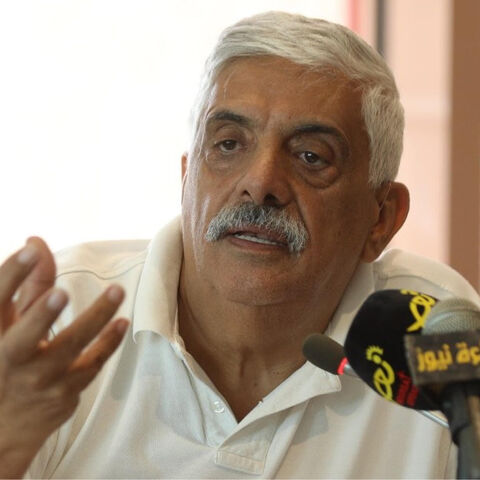

Newly appointed Palestinian Prime Minister Mohammad Shtayyeh didn’t mince words about the situation facing Palestinians. Walking to his first Cabinet meeting since his appointment, the Fatah Central Committee leader told his government that it has to make major cuts. No more business class flights, no new purchases of cars — and they must agree on an austere Palestinian budget as soon as possible. This austerity mode is in sharp contrast with the Donald Trump administration’s attempts to flood Palestinians with investment money through the economic workshop due in Bahrain in June.
The main reasons behind economic problems facing the Palestinian government are all man-made. The United States drastically cut its aid package for the West Bank infrastructure programs (it had earlier stopped any direct support to the government), and the Palestinians had refused to accept the $60 million earmarked for the Palestinian security because of a new US law that would make it acceptable for any US aid recipient to be sued in American courts.
While the Trump administration’s effort to squeeze Palestinians financially was starting to be felt throughout Palestine, what the Israelis did in restricting the transfer of Palestinian money made things much more difficult.
As part of the 1994 Paris Economic Protocol, and in response to Palestinian plans to run the public sector, Israel agreed to collect customs and taxes for products earmarked for the Palestinian territories in return for a 3% service charge that has been in effect since the establishment of the Palestinian Authority (PA) in 1994.


