Iraqi parties lack democracy and transparency
Iraqi democracy is run by groups of nondemocratic political parties, raising concerns over the sustainability of democracy in Iraq.
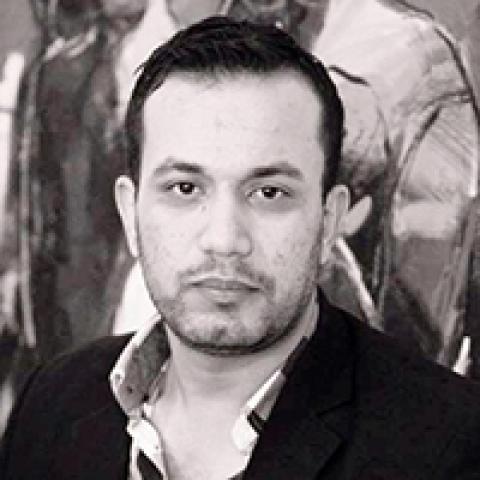

Former Sadrist block parliament member Awad al-Awadi has been standing since May 16 outside the residence of Muqtada al-Sadr in al-Hananah district of Najaf. Awadi’s sit-in, which he staged in a bid to meet the head of the Sadrist movement, comes two days after dozens of Sadr followers protested near his home in Hella city, accusing Awadi of corruption.
In video footage May 14, Awadi was seen in front of Muqtada’s residence, carrying a photo of him and his father, Mohammed Sadiq al-Sadr, begging Muqtada to meet and exonerate him.
Muqtada had sacked four members of his party, including Awadi, dismissing them of any business and government work in his name and the name of his family, against the backdrop of corruption charges.
Analyses by several observers in the media claim that Sadr's recent move is not related to the “corruption” of the members whose partisan membership was suspended but rather to internal economic reasons. Author Hamid Shaker said, “Those expelled by Sadr had grown beyond his control.”


