Intel: How Netanyahu plans to hold onto power despite bribery charges
Facing charges of bribery, fraud and breach of trust, Prime Minister Benjamin Netanyahu has asked the Israeli parliament for immunity.
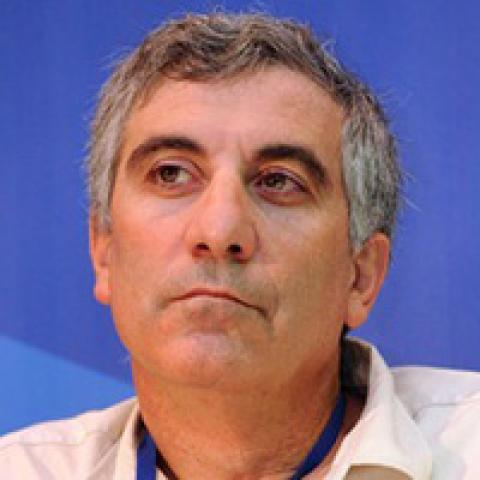

Facing charges of bribery, fraud and breach of trust, Prime Minister Benjamin Netanyahu has asked Israel's parliament for immunity. In a fiery speech in Jerusalem on Wednesday, Netanyahu accused the justice system of selective enforcement, calling the prosecution a politically motivated “coup” to oust him from office. The Israeli Supreme Court decided today to reject a separate petition to prevent Netanyahu from running for office again.
Why it matters: The immunity law aims to allow officials to pursue matters of public interest without fear of prosecution. It can be invoked in four cases: to protect freedom of expression, to curtail prosecutors acting in bad faith, to prevent a needless trial when the Knesset has already taken action against a member and to stop criminal proceedings that would damage the Knesset and the public interest. The move puts Netanyahu's trial squarely in the center of the campaign for the March elections, pushing aside Iran, Hamas and other important challenges.
What’s next: Netanyahu’s request would normally go through the Knesset’s House Committee before going to a vote by the full 120-member body. But political paralysis has prevented the formation of such a panel for months, likely delaying the immunity request until the March 2 elections. Netanyahu would then need a simple majority of 61 coalition members from right-wing and religious parties to stay the prosecution. Opposition parties have called for the creation of a temporary committee now while Netanyahu’s allies are in the minority, but the effort is a long shot.
As such, Netanyahu’s campaign goal will be to attack the justice system while describing himself as the victim of “deep state” forces that cannot beat him at the polls. If he loses, he’ll face a trial that will start as soon as this spring and most likely mark the end of the Netanyahu era.


