How an ultra-secularist gained clout in Turkey's Islamist government
Dogu Perincek, said to be a pillar of Turkish President Recep Tayyip Erdogan's recent anti-West policies, has had a long history of controversial alliances and ideologies.
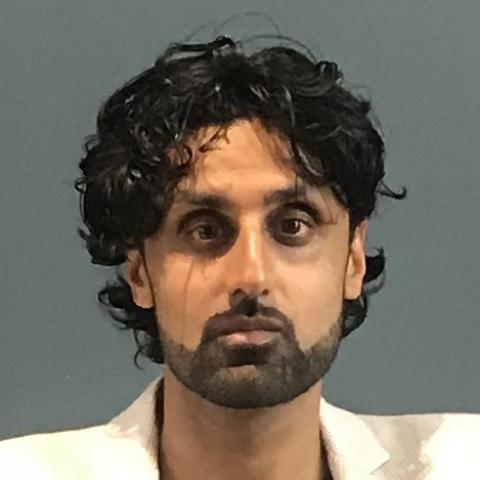

Ahmet S. Yayla, a counterterrorism police sergeant, had a surprising encounter when he arrested a suspected terrorist with ties to the outlawed Kurdistan Workers Party (PKK) in 1998.
“No one I’ve gone to arrest has ever shown me such respect," Yayla said. "He was respectable and warm. He was prepared.” Yayla said most terror suspects aggressively resist arrest and deny wrongdoing. But the man he arrested admitted ownership of criminal materials and behaved calmly, at least until he was outside his house. “His attitude changed when he saw the media and his supporters outside. He started acting like a classic rebellious terrorist,” he said. Ahmet Yayla is now living in the United States and has had his Turkish passport revoked on suspicion of being connected to the Gulenist network which the Turkish government believes was behind the July 2016 coup attempt. The Gulenists have been hostile toward ultra-secularists in Turkey.
The man arrested and imprisoned was Dogu Perincek, a long-time leader of Turkey's ultra-secularists and the founder and leader of Turkey’s ultranationalist Patriotic Party, or Vatan Party. Today, even though his party doesn't have a single seat in parliament and won only 0.2% of the vote in the 2018 election, Perincek wields significant influence over Turkey’s foreign policy, and is responsible not only for Turkey strengthening ties with Russia and China but also re-embedding an ideology within Turkey’s establishment that advocates severing relations with the United States and EU. This ideology, known as Eurasianism, promotes the view that Turkey should distance itself from the West and NATO and act independently from the Western bloc by aligning with the Russia and China axis.
In Turkey, Eurasianism claims that Western powers are trying to divide Turkey through their support of Kurdish separatism, whereas Russia and China are better allies that provide “equal and mutually beneficial cooperation,” Perincek told Al-Monitor.


