Why is Turkish Cypriot leader declared ‘enemy’ in Turkey?
The leader of the Cypriot Turks angered Ankara in October for criticizing the Turkish incursion into Syria, but all hell has broken loose since he recently said that any move by Turkey to annex Northern Cyprus would be a “horrible” prospect.
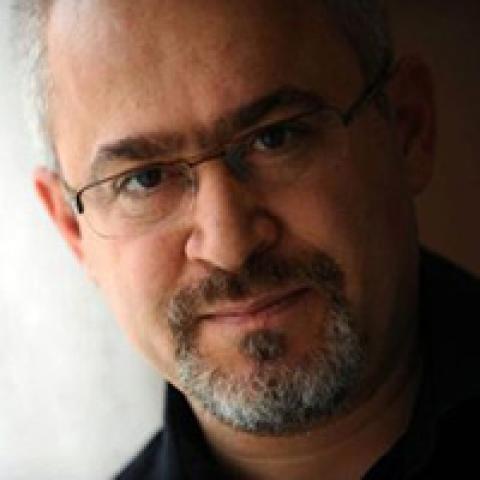

Turkish officials and politicians visiting the Turkish Republic of Northern Cyprus, which is recognized as a state only by Ankara, have refused to meet with its president, Mustafa Akinci, since October. Although Akinci’s criticism of Ankara’s policies was the apparent trigger of the chill, there is more to it in the context of the mounting energy competition in the eastern Mediterranean.
After Turkey launched a military operation into northeastern Syria on Oct. 9, Akinci took a completely different stance from that of the Justice and Development Party (AKP) government in Turkey and its coalition partner, the far-right Nationalist Movement Party (MHP).
With hundreds arrested for merely criticizing Operation Peace Spring, questioning the military campaign turned into a kind of a taboo. And Akinci’s view of the operation stirred up a hornet’s nest. Referring to Turkey’s 1974 military intervention in Cyprus, Akinci said, “Even though we called it Operation Peace, it was a war and blood was spilled in 1974. Now, even if we call it Operation Peace Spring, what is being spilled is not water but blood. For this reason, it is my greatest wish that dialogue and diplomacy come into play as soon as possible.”
By drawing a comparison between the two interventions, Akinci was obviously trying to say that military operations in foreign lands create lasting problems and, therefore, he was inviting Turkey to consider other options in Syria.


