Oman’s foreign policy after Sultan Qaboos
As Sultan Haitham’s reign begins, Omanis hold fast to the Gulf state’s long-standing commitment to dialogue and regional diplomacy.
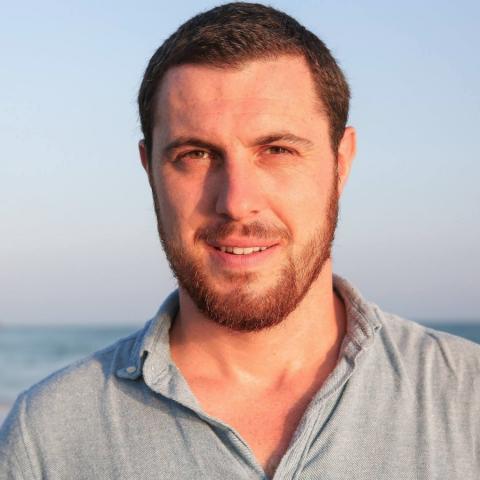

“I feel very proud to come from a peaceful country. Over the past 50 years, Sultan Qaboos taught us to build friendships, embrace differences, create bridges of peace and understanding to learn from others,” Omani politician Amna Al Balushi told Al-Monitor.
In an era of global political polarization, Oman stands out for the independent and non-aligned foreign policy it has been cultivating over decades. Strategically located between Iran, the United Arab Emirates, Saudi Arabia and Yemen, the sultanate has traditionally refused to choose sides but rather foster dialogue, stability and cooperation.
Ahead of the 2015 Iran nuclear deal, Oman provided a venue for secret US-Iran talks. Later, it refused to join a Saudi-led military intervention in Yemen that has taken more than 100,000 lives and chose to stay out of an embargo imposed on Qatar since 2017.
Ahead of the US secretary of state’s first visit to Muscat since the death of Qaboos bin Said Al Said, the Arab world's longest-serving ruler, Mike Pompeo’s office praised Oman’s diplomatic role.


