Ramallah meeting produces new Palestinian unity committee
The various Palestinian factions that took part in the unity meeting in Ramallah agreed to establish yet another body in the name of unified national leadership.
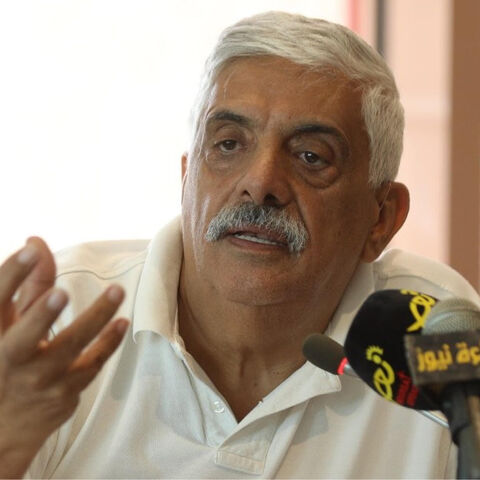

The unity meeting of Palestinian factions held at the Ramallah presidential headquarters on Sept. 3 produced yet another coordinating committee. Announced in a statement reminiscent of the leaflets of the first intifada, the new body has called for a day of rage on Sept. 13, black flags to be raised on Sept. 16 and insisted that the only the Palestinian flag is to be raised at all protest events.
The numbered leaflet followed the format and style of the communique of the Unified National Leadership of the Uprising, which was a secretive underground leadership that advocated support for the Palestine Liberation Organization (PLO) and called regularly for different nonviolent acts of resistance.
Unlike the first leaflets, which were printed in secret and distributed clandestinely, this statement was read out aloud on Palestine TV and there was little doubt that those behind it are the same leaders who met Sept. 3 in the unity meeting protesting the betrayal by some Gulf countries to the Palestinian cause. At the meeting, the participants committed to produce a strategic resistance plan. The Bahraini decision to join the UAE in a public meeting at the White House has added to the sense of urgency.
The new statement begins with a line from popular Tunisian poet Abu Al Qassim al-Shabbi: “If one day the people will to live, then fate must obey.” The name of the new leadership body betrays a clear concession by Islamists, who normally insist that any activities they conduct with PLO nationalists must be described as both national and Islamic.


