Arab parties to determine Israeli government
Head of Ra’am Party Mansour Abbas and members of the Arab Joint List now have the power to decide what the next government will look like.
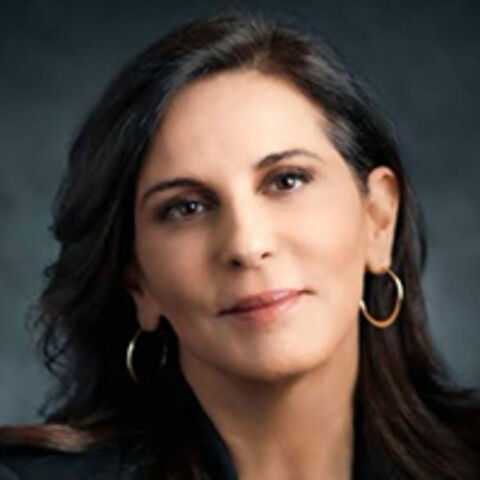

These are very turbulent times for the Arab political leadership in Israel. They are very historic times too. For the first time in Israel’s 73-year history, Arab Knesset members will likely have the final say on whether a government is formed and even on who will head such a government.
In the current Israeli parliament, there are 10 Knesset members representing Arab parties: The Joint List (a unified slate of predominantly Arab parties) has six (including one Jewish member), and the Ra’am Party headed by Mansour Abbas has four. The two parties are now in the enviable position of being courted more than any other party in the Knesset, but with this comes a number of principled dilemmas. And it goes without saying that there is the inevitable infighting over power and prestige that sends tremors throughout the Arab sector.
Before taking a close look at the current situation, a little background is necessary. In 1992, Arab legislators supported a peace government composed by Yitzhak Rabin. But that was very exceptional. Since then, and until the September 2019 election, Arab legislators refused to take part in the political gamesmanship. Throughout the years, Arab Knesset members stood out mainly for the way they advocated zealously on behalf of the Palestinian national agenda, thus exacerbating tensions between them and the Zionist parties.
Then came the political blundering of the past two years. A series of futile attempts to take down Prime Minister Benjamin Netanyahu was put in check by the voters’ inability to decide if they wanted to see a government of the left or the right. As a result, the mainstream Zionist parties began seeking to cooperate with the Arab parties.


