Will PLO and Hamas find common ground?
Hamas’ popularity has risen sharply, but this doesn’t help them much with the outside world. An understanding with Fatah is key to any potential role in regional diplomacy.
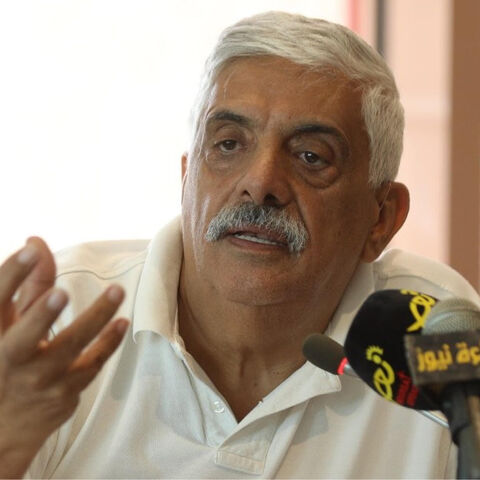

If the relationship between the PLO and Hamas was on shaky grounds after President Mahmoud Abbas canceled the legislative elections, they are surely on shakier grounds after the announcement of the cease-fire between Israel and the Gaza-based Islamic movement.
National unity began on a high note this year with the Jan. 15 presidential election decree. That was made possible due to the September 2020 Istanbul meeting between Fatah and Hamas.
Fatah’s secretary, Jibril Rajoub, reached a tentative agreement with the No. 2 in Hamas, Salah Aruri, that led to the presidential decrees for elections.
What was not mentioned in the public agreements was an understanding between Rajoub and Aruri that Fatah and Hamas will agree on a joint list in which Fatah will have a slight majority and the speakership (most likely for Rajoub) and that Hamas will not challenge Abbas for the presidency.


