Black Gaza artists fight racism with music
Black Palestinians in the Gaza Strip still suffer racism, but the artistic community has a musical response.
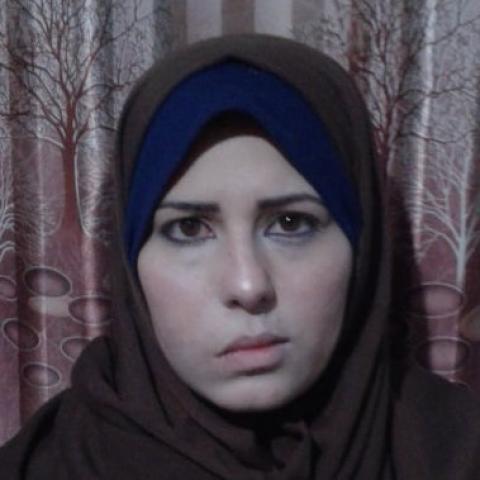

Black Palestinian artists in the Gaza Strip still encounter racism and discrimination. They face harsh mockery for the color of their skin and curly hair, and many Palestinians refuse to marry them.
Some Black artists in Gaza have been experiencing racism since their childhood. Even as adults, when they stand on stage to perform the traditional Bedouin songs known as “dahiya,” they receive negative comments and insults in regard to the color of their skin.
Dahiya is originally a Bedouin heritage and Black Palestinians who have Bedouin origins practice it with great skill as a profession.
Singer and musician Hamza Abu Qinas, 33, from Gaza City, does not hide that he and his family face bullying and racism because of their skin color and curly hair. In a video report published by the BBC Dec. 5, he said that he faces discrimination due to his dark skin, even though this has also allowed him to distinguish himself as "the Black artist." He declined an interview with Al-Monitor about racism for personal reasons.


