Israeli environment minister strives for regional cooperation at COP27
Outgoing Minister for Environmental Protection Tamar Zandberg calls on the new Israeli government not to give in to small politics, but continue engagement to battling climate change, reducing greenhouse gas emissions and reducing plastic pollution.
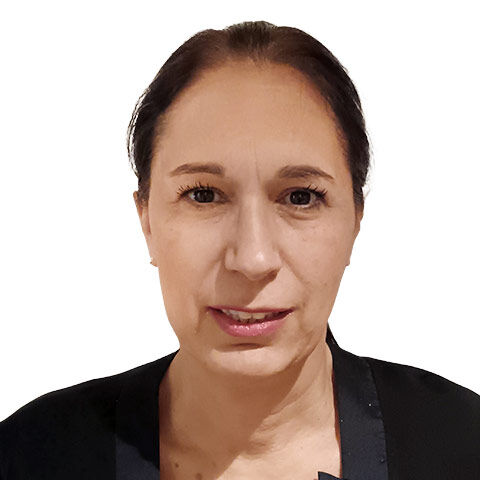

Israel’s Minister for Environmental Protection Tamar Zandberg made headlines yesterday at the Sharm al-Sheikh climate conference alongside Iraqi and Lebanese senior officials.
Both Lebanon and Iraq consider Israel an enemy state and prohibit their citizens from having contact with Israeli nationals. The maritime border deal reached recently between Israel and Lebanon was negotiated via an American mediator and signed in the form of letters handled by the American administration and not as a bilateral agreement. Hosted by Egypt and by Cyprus, the Nov. 8 meeting was also attended by representatives from Jordan, Saudi Arabia, Oman, Bahrain, Qatar, the United Arab Emirates, Kuwait and the Palestinian Authority.
Yesterday’s meeting was part of a Cypriot initative to gather regional climate data. The initiative aims to facilitate the drafting of regional climate policies. In this framework, multinational task forces of 220 scientists including 12 Israeli researchers have recently mapped the effects of climate change in the Mediterranean and Middle East regions. The scientists identified where action was needed and presented their findings at COP27.
Speaking with Al-Monitor, Zandberg said that countries of the region share concerns over climate challenges, but none can confront them alone. Just as they share the problems, the countries of the region can and should share the solutions. “I sat with the Lebanese and Iraqi representatives in the framework of a large round table on the Cypriot initiative. There were no personal meetings between us. Still, it was a significant and important encounter. The climate crisis is a threat shared by all of us. It goes beyond rivalries, borders or political differences.”


