For Israel, al-Sheikh appointment as Palestinian VP signals continuity, pragmatism
The appointment of Hussein al-Sheikh as vice president of the Palestinian Authority is unlikely to bring dramatic changes to its policies on Israel.
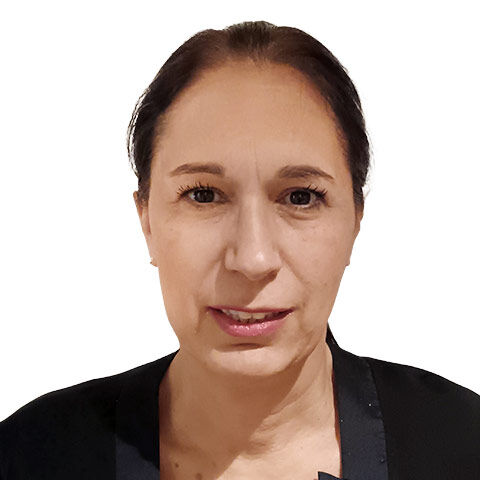

Many in Israel see the appointment of Hussein al-Sheikh, the current secretary-general of the Palestine Liberation Organization’s executive committee, to the position of vice president Saturday, as a sign of continuing cooperation between the Palestinian Authority and Israel.
A member of the Fatah movement since the mid-1970s, Sheikh was arrested by Israel in 1978 and spent 11 years in prison over his militant activities. In prison, he learned to speak, read and write Hebrew. A prominent political figure in the West Bank and a confidant of President Mahmoud Abbas, he headed the General Authority of Civil Affairs from 2007 until February 2025, overseeing coordination between the Palestinian Authority and the Israeli government over West Bank civil affairs. His nomination marks him as a potential successor if and when 89-year-old Abbas steps down.
No big changes expected: Sheikh is identified with the Palestinian struggle, but judging by his years of working with the Israeli system, he is expected to continue Abbas' stance against armed struggle.
Michael Milstein heads the Palestinian Studies Forum at the Moshe Dayan Center for Middle Eastern and African Studies. "Al-Sheikh will not agree to any significant compromises for Israel in order to launch talks, but he believes in the status quo and does not believe in armed resistance against Israel," he told Al-Monitor. Milstein noted that Sheikh stands in contrast to Marwan Barghouti, who has been imprisoned in Israel since 2002 and is considered a front-runner for the Palestinian leadership. Barghouti is strongly associated with the armed resistance.


