Gaza’s prospective postwar governor, Samir Hulileh, on his conditions for role
In an interview with Al-Monitor, the Palestinian businessman outlines the guarantees involving a ceasefire, borders and funding in Gaza that he says are essential before accepting the role.
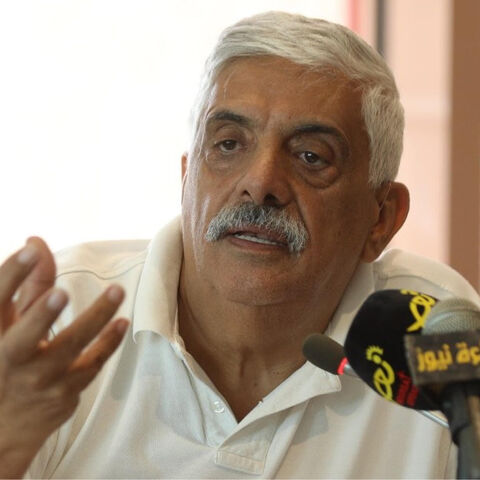

This is an excerpt from Al-Monitor Palestine. Sign up for the newsletter here.
President Donald Trump and his team are preparing a comprehensive end-of-war plan for Gaza, according to Palestinian sources familiar with the effort. Expected to be made public in the coming days, the plan centers on appointing a single governor to oversee Gaza’s postwar reconstruction and governance. The US is reportedly leaning toward Palestinian businessman and former cabinet secretary Samir Hulileh for the position, the sources said.
While ending the war remains an urgent priority, the real challenge lies in what comes next.
Hulileh’s name first emerged in reports in the Hebrew press earlier this week in connection with a quiet US-backed initiative to appoint him as governor of postwar Gaza. The effort, promoted by Ari Ben-Menashe, an Israeli-Canadian lobbyist based in Montreal, and coordinated under Arab League auspices — according to Ynet — aims to place a Palestinian figure acceptable to both Israel and the United States in charge of Gaza’s reconstruction and governance.


