Iran's army vows to protect public property as Tehran seeks to quell growing unrest


DUBAI, Jan 10 (Reuters) - The Iranian army said on Saturday it would safeguard strategic infrastructure and public property and urged Iranians to thwart "the enemy's plots", as the clerical establishment steps up efforts to quell the country's biggest protests in years.
The Iranian military statement came after U.S. President Donald Trump issued a new warning to Iran's leaders on Friday, and after Secretary of State Marco Rubio on Saturday declared: "The United States supports the brave people of Iran."
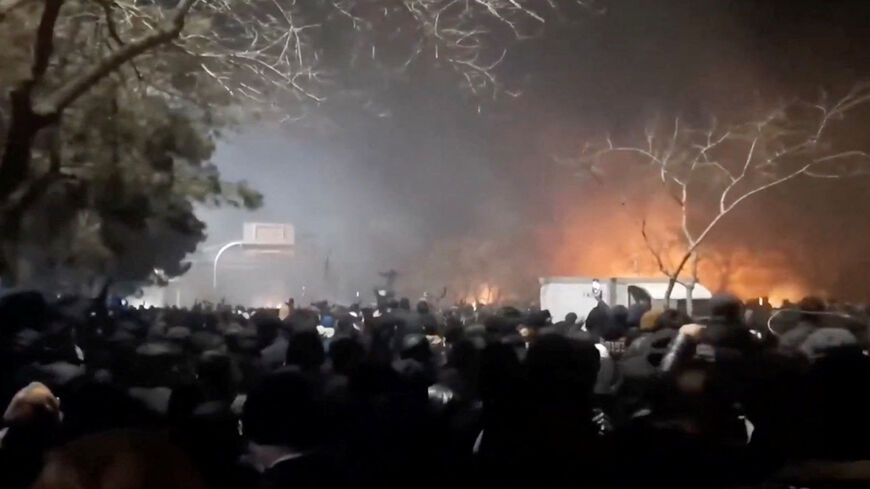
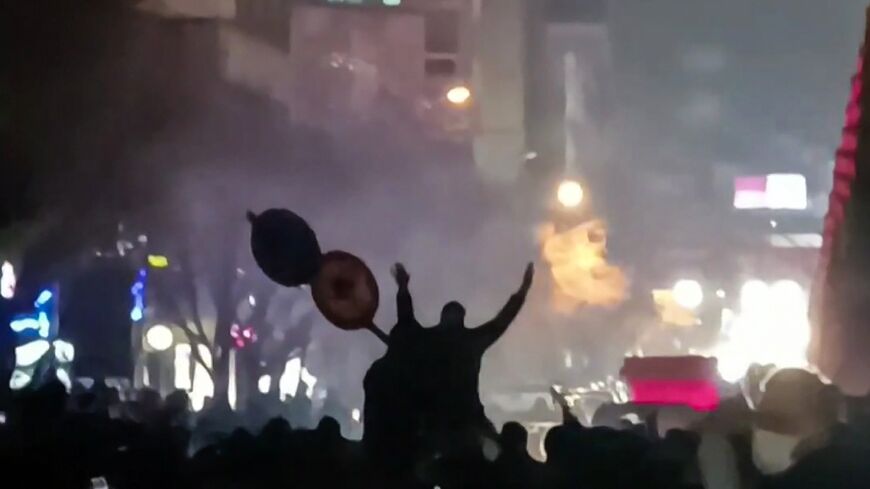
Unrest continued overnight. State media said a municipal building was set on fire in Karaj, west of Tehran, and blamed "rioters". State TV broadcast footage of funerals of members of the security forces it said were killed in protests in the cities of Shiraz, Qom and Hamedan.
ARMY SAYS 'TERRORIST GROUPS' SEEK TO UNDERMINE SECURITY
Authorities continued to impose an internet blackout.
A witness in western Iran reached by phone said the Revolutionary Guards (IRGC) were deployed and opening fire in the area from which they were speaking, declining to be identified for their safety.
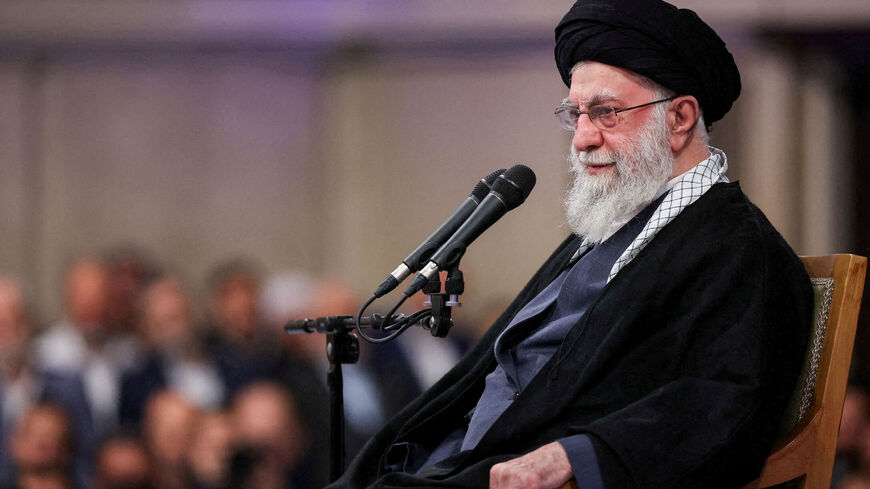
The Iranian military operates separately to the IRGC - an elite force tasked with defending Iran's Islamic Revolution and which authorities have deployed to quell previous unrest. Both forces are commanded by Supreme Leader Ayatollah Ali Khamenei.
In a statement published by semi-official news sites, the military accused Israel and "hostile terrorist groups" of seeking to "undermine the country's public security".
"The Army, under the command of the Supreme Commander-in-Chief, together with other armed forces, in addition to monitoring enemy movements in the region, will resolutely protect and safeguard national interests, the country’s strategic infrastructure, and public property," it said.
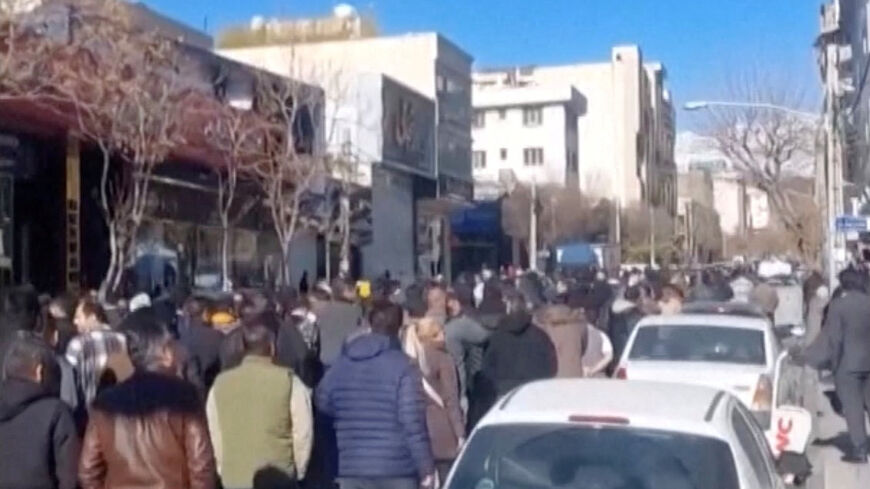
The protests have spread across much of Iran over the last two weeks, beginning in response to soaring inflation, but quickly turned political with protesters calling for clerical rulers to step down. Authorities have accused the U.S. and Israel of fomenting the "riots".
Iranian rights group HRANA said it had documented 65 deaths including 50 protesters and 15 security personnel as of January 9. The Norway-based human rights group Hengaw said more than 2,500 people had been arrested over the past two weeks.
In a country with a history of fragmented opposition to clerical rule, the son of the last shah of Iran who was toppled in the 1979 Islamic revolution has emerged as a prominent voice abroad spurring on the protests.
PAHLAVI SAYS GOAL IS TO PREPARE TO 'SEIZE CITY CENTRES'
In his latest appeal on the X social media platform, U.S.-based Reza Pahlavi said: "Our goal is no longer merely to come into the streets; the goal is to prepare to seize city centres and hold them."
He also called on "workers and employees in key sectors of the economy, especially transportation, and oil, and gas and energy", to begin a nationwide strike.
Trump said on Thursday he was not inclined to meet Pahlavi, a sign that he was waiting to see how the crisis plays out before backing an opposition leader.
Trump, who bombed Iran last summer and warned Tehran last week the U.S. could come to the protesters' aid, issued another warning on Friday, saying: "You better not start shooting because we'll start shooting too."
"I just hope the protesters in Iran are going to be safe, because that's a very dangerous place right now," he added.
Some protesters on the streets have shouted slogans in support of Pahlavi, such as "Long live the shah", although most chants have called for an end to rule by the clerics or demanded action to fix an economy hammered by years of U.S. and other international sanctions and pummelled by the 12-day war in June, when Israel and the U.S. launched air strikes on Iran.
A doctor in northwestern Iran said that since Friday, large numbers of injured protesters had been brought to hospitals. Some were badly beaten, suffering head injuries and broken legs and arms, as well as deep cuts.
At least 20 people in one hospital had been shot with live ammunition, five of whom later died.
On Friday, Khamenei accused protesters of acting on behalf of Trump, saying rioters were attacking public properties and warning that Tehran would not tolerate people acting as "mercenaries for foreigners".
The Revolutionary Guards’ public relations office said three members of the Basij security force were killed and five wounded during clashes with what it described as “armed rioters” in Gachsaran, in the southwest.
Another security officer was stabbed to death in Hamedan, in western Iran. The son of a senior officer, Brigadier General Martyr Nourali Shoushtari, was killed in the Ahmadabad area of Mashhad, in the northeast. Two other security personnel were killed over the past two nights in Shushtar, in Khuzestan province.
The protests pose the biggest internal challenge in at least three years to Iran's clerical rulers, who look more vulnerable than during past bouts of unrest amid a dire economic situation and after last year's war.
The leaders of France, Britain and Germany issued a joint statement on Friday condemning the killing of protesters and urged the Iranian authorities to refrain from violence.
Authorities have described protests over the economy as legitimate while condemning what they call violent rioters and cracking down with security forces.
Iran's clerical establishment has weathered repeated past bouts of unrest, including student protests in 1999, over a disputed election in 2009, against economic hardships in 2019, and the 2022 Woman, Life, Freedom protests.
(Reporting by Dubai Newsroom. Writing by Tom Perry. Editing by Mark Potter)