Analysis-US and Iran slide towards conflict as military buildup eclipses talks


By Samia Nakhoul, Parisa Hafezi and John Irish
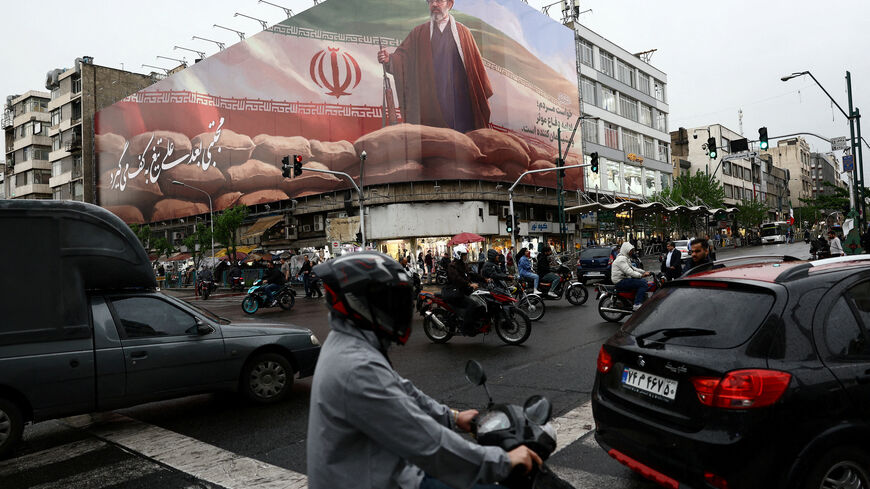
DUBAI, Feb 20 (Reuters) - Iran and the United States are sliding rapidly towards military conflict as hopes fade for a diplomatic solution to their standoff over Tehran’s nuclear programme, officials on both sides and diplomats across the Gulf and Europe say.
Iran’s Gulf neighbours and its enemy Israel now consider a conflict to be more likely than a settlement, these sources say, with Washington building up one of its biggest military deployments in the region since the invasion of Iraq in 2003.
Israel's government believes Tehran and Washington are at an impasse and is making preparations for possible joint military action with the United States, though no decision has been made yet on whether to carry out such an operation, said a source familiar with the planning.
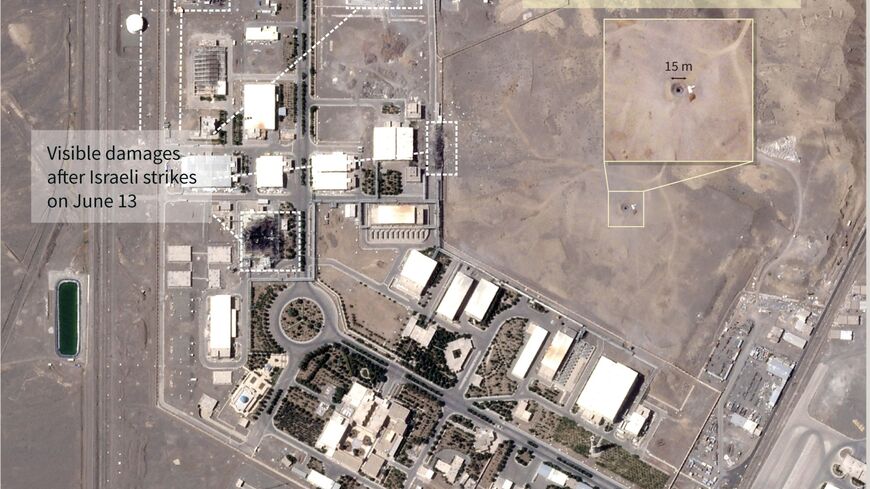
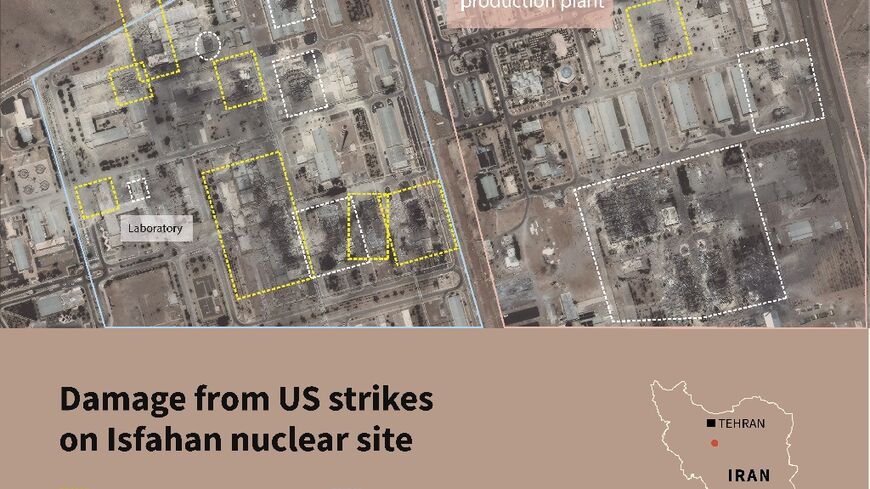
It would be the second time the U.S. and Israel have attacked Iran in less than a year, following U.S. and Israeli airstrikes against military and nuclear facilities last June.
Regional officials say oil-producing Gulf countries are preparing for a possible military confrontation that they fear could spin out of control and destabilise the Middle East.
Two Israeli officials told Reuters they believe the gaps between Washington and Tehran are unbridgeable and that the chances of a near‑term military escalation are high.
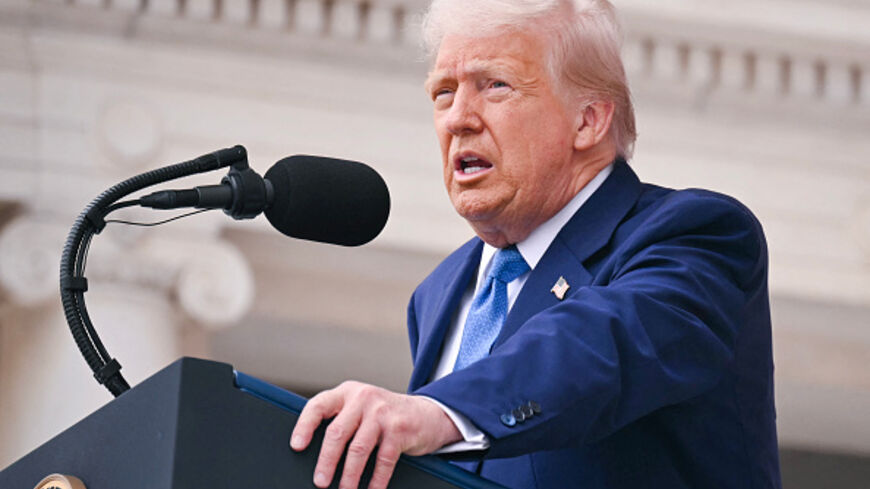
Some regional officials say Tehran is dangerously miscalculating by holding out for concessions, with U.S. President Donald Trump boxed in by his own military buildup - unable to scale it back without losing face if there is no firm commitment from Iran to abandon its nuclear weapons ambitions.
"Both sides are sticking to their guns," said Alan Eyre, a former U.S. diplomat and Iran specialist, adding that nothing meaningful can emerge "unless the U.S. and Iran walk back from their red lines - which I don't think they will."
"What Trump can't do is assemble all this military, and then come back with a 'so‑so' deal and pull out the military. I think he thinks he'll lose face," he said. "If he attacks, it's going to get ugly quickly."
TALKS HAVE STALLED
Two rounds of Iran-U.S. talks have stalled on core issues, from uranium enrichment to missiles and sanctions relief.
When Omani mediators delivered an envelope from the U.S. side containing missile‑related proposals, Iranian Foreign Minister Abbas Araqchi refused even to open it and returned it, a source familiar with the talks said.
After talks in Geneva on Tuesday, Araqchi said the sides had agreed on “guiding principles," but the White House said there was still distance between them.
Iran is expected to submit a written proposal in the coming days, a U.S. official said, and Araqchi said on Friday he expected to have a draft counterproposal ready within days.
But Trump, who has sent aircraft carriers, warships and jets to the Middle East, warned Iran on Thursday it must make a deal over its nuclear program or "really bad things" will happen.
He appeared to set a deadline of 10 to 15 days, drawing a threat from Tehran to retaliate against U.S. bases in the region if attacked. The rising tensions have pushed up oil prices.
U.S. officials say Trump has yet to make up his mind about using military force although he acknowledged on Friday that he could order a limited strike to try to force Iran into a deal.
"I guess I can say I am considering that," he told reporters.
The possible timing of an attack is unclear. U.S. Secretary of State Marco Rubio is due to meet Israeli Prime Minister Benjamin Netanyahu on February 28 to discuss Iran. A senior U.S. official said it would be mid-March before all U.S. forces were in place.
WHAT'S THE ENDGAME?
European and regional officials believe the scale of the U.S. deployment to the region would enable Washington to launch strikes on Iran while simultaneously defending its military bases, allies and Israel.
The core U.S. demand remains unchanged: no uranium enrichment on Iranian soil. Iran, for its part, says it must keep its nuclear capability and refuses to discuss its ballistic missiles. It denies planning to build a nuclear weapons arsenal.
If talks fail, defence analyst David Des Roches said, U.S. activity in the Gulf already signals how any strike would begin: blind Iran’s air defence and then hit the Revolutionary Guards Navy, the force behind years of tanker attacks and threats to close the Strait of Hormuz, the route for a fifth of global oil.
But some Arab and European officials say they are unsure what Trump's endgame is, and European governments want the U.S. to spell out what strikes would be meant to achieve - to degrade Iran’s nuclear and missile capabilities, deter escalation or pursue something more ambitious such as "regime change".
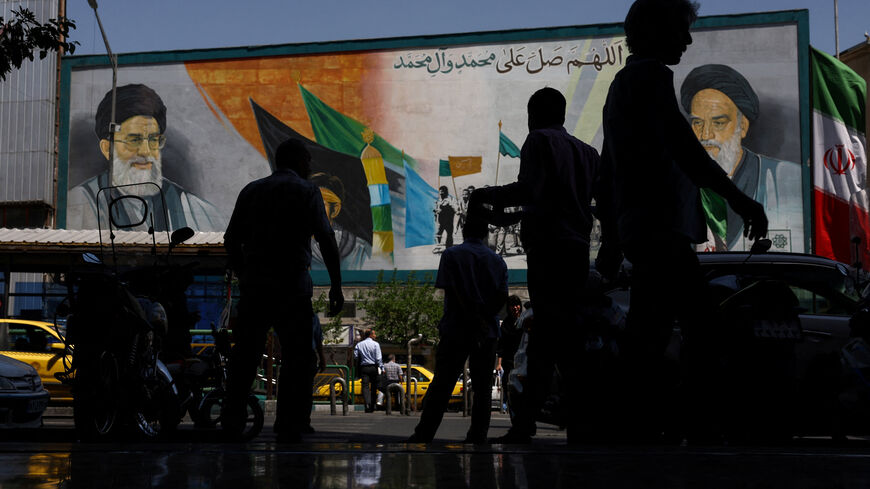
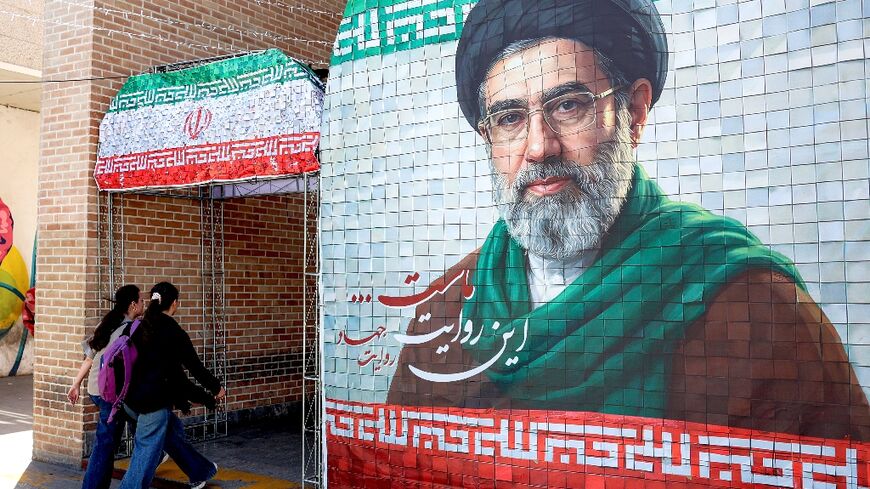
Some regional and European officials question whether military action can alter the trajectory of Iran’s ruling establishment, led by Supreme Leader Ayatollah Ali Khamenei and protected by the powerful Islamic Revolutionary Guards Corps.
Some say that, with no obvious alternative political force in Iran and the leadership's resilience largely intact, it is perilous to assume strikes could trigger "regime change".
Military action may be easier to start than to control, and much harder to translate into a strategic outcome, they say.
ARE CONCESSIONS LIKELY?
There have been few signs of compromise. Ali Larijani, a close adviser to Khamenei, told Al Jazeera TV that Iran was ready to allow extensive monitoring by the International Atomic Energy Agency to prove it is not seeking nuclear weapons. Tehran has since informed IAEA chief Rafael Grossi of its decision.
A source familiar with the talks said Iran’s backing for regional militias had not been formally raised at talks, but that Tehran had no objection in principle to discussing U.S. concerns about proxies.
Three regional officials said Iranian negotiators had made clear that any substantive concessions rest with Khamenei, who regards enrichment and missile development as sovereign rights.
David Makovsky of The Washington Institute said each side was betting on the other’s limits.
Washington believes overwhelming force will compel Tehran to yield, while Tehran believes Trump lacks the appetite for a sustained campaign and Israel believes the gaps are too wide to close, making confrontation all but inevitable, he said.
(John Irish reported in Paris, Additional reporting by Rami Ayyub and Maayan Lubell in Jerusalem and by Steve Holland in Washington, Writing by Samia Nakhoul, Editing by Timothy Heritage)