US envoy hopeful on Iran talks as strikes target nuclear facilities


US President Donald Trump's special envoy Steve Witkoff said Friday he believes Iran will hold talks with Washington "this week" to end the month-long war, as US-Israeli strikes hit two Iranian nuclear facilities.
Iran threatened retaliation against industrial sites in the region, with no clear end to the conflict in sight and markets in turmoil over the fighting and the closure of the Strait of Hormuz.
"We think there will be meetings this week, we're certainly hopeful for it," Witkoff told a business forum in Miami. Washington expected Tehran to respond to a 15-point US peace plan, he said. "It could solve it all."
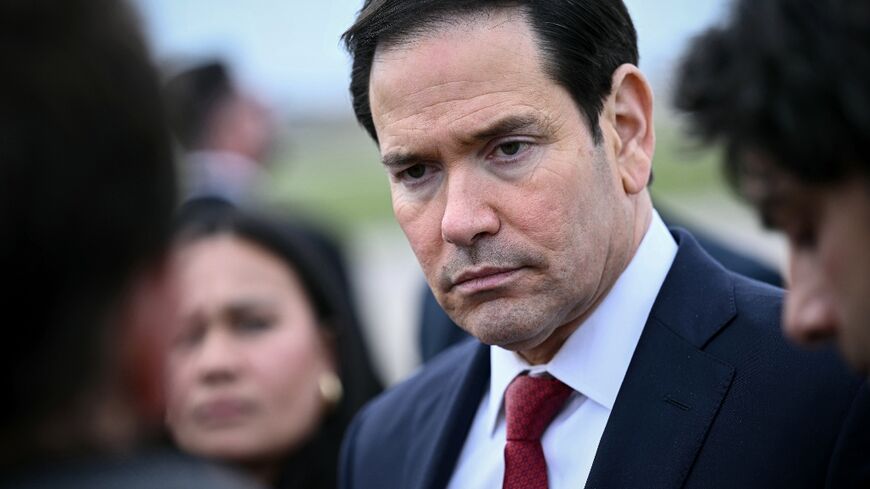
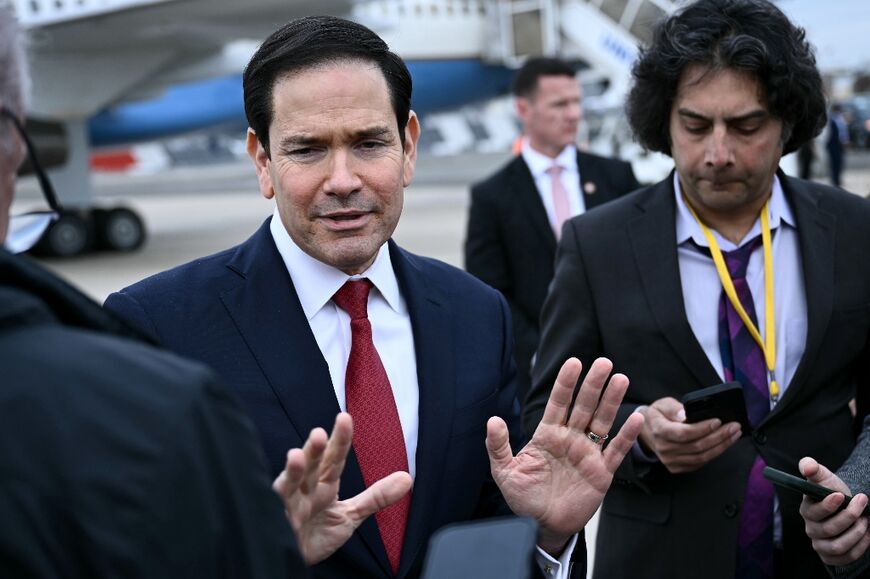
The diplomacy came as Secretary of State Marco Rubio left G7 talks in Paris to declare Washington expects its military campaign to prove victorious within weeks.
"When we are done with them here in the next couple of weeks, they will be weaker than they've been in recent history," he told reporters.
Rubio said he had won G7 support to oppose Iran's attempts to impose a toll on Strait of Hormuz shipping, a key sea lane for Gulf oil and gas exports.
"Not only is this illegal, it's unacceptable, it's dangerous to the world, and it's important that the world have a plan to confront it," he said.
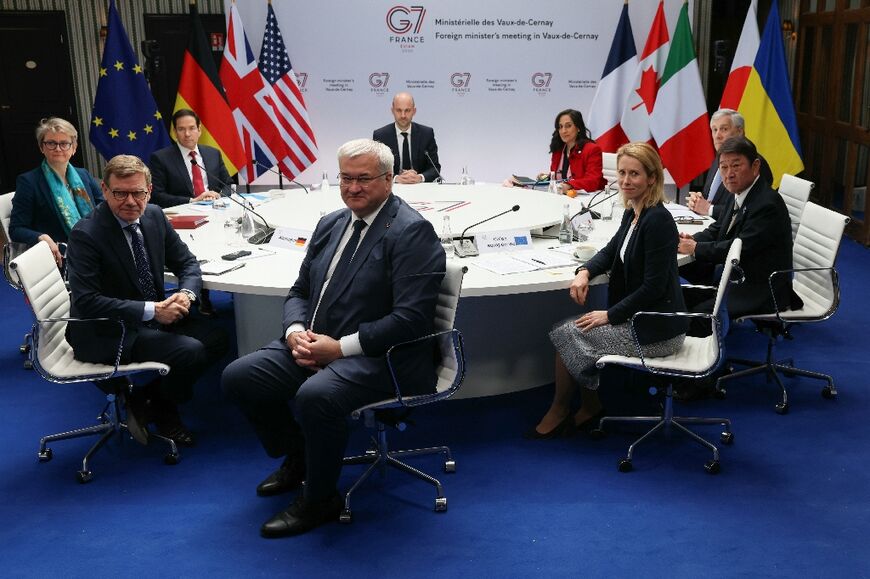
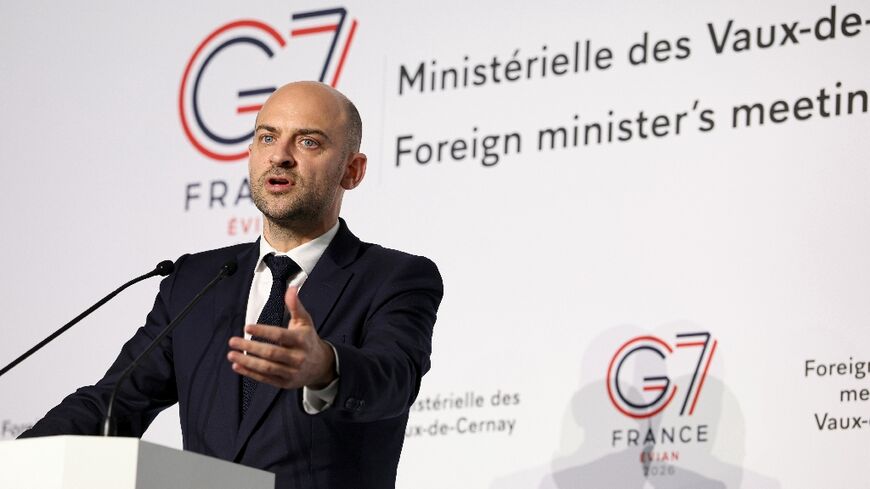
In a joint statement, G7 foreign ministers "reiterated the absolute necessity to permanently restore safe and toll-free freedom of navigation in the Strait of Hormuz" and called for "an immediate cessation of attacks against civilians and civilian infrastructure."
Iran had sent "messages" to the American side but had not formally responded to the peace plan, Rubio said.
- 'Heavy price' -
Iranian media reported a US-Israeli attack on the Khondab heavy water complex in central Iran, citing a local official, while the country's atomic energy agency said a uranium processing plant 600 kilometres away in Ardakan was also hit.
Israel's army confirmed that it struck the two facilities, while the Iranian sources said there was no release of radioactive material at either site.
Two steel plants, Khuzestan in southwest Iran and Mobarakeh in the country's centre, were also hit, drawing threats of retaliation.
Iran "will exact (a) HEAVY price for Israeli crimes," Tehran's foreign minister Abbas Araghchi wrote on X, adding that the attack "contradicts (Donald Trump's) extended deadline for diplomacy".
Israel's military warned that Iran had fired missiles late on Friday and AFP reported the sounds of sirens in Jerusalem.
A man, thought to be around 60, died in Tel Aviv following the latest attack, the Magen David Adom emergency service reported, adding that two people suffered mild injuries.
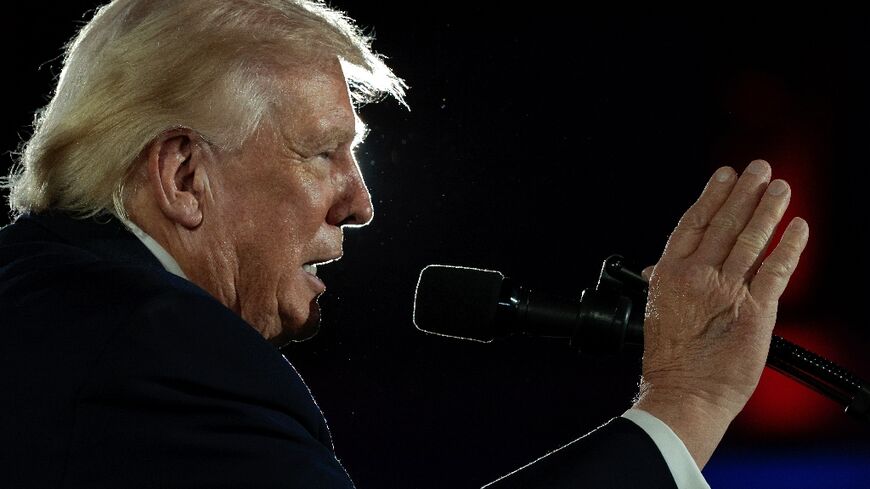
Trump has insisted the Islamic republic wants to "make a deal" and extended a deadline for Tehran to open the Strait of Hormuz or face the destruction of its energy assets from Friday to April 6.
Meanwhile Iran's Revolutionary Guards warned that they would strike industrial sites in the region in response to the attacks.
The Guards warned civilians working in such plants to "leave their workplaces immediately", having earlier issued similar warnings to those living near American military bases and hotels hosting US troops.
Iran's Vice President Esmael Saghab Esfahani threatened to attack Saudi Arabia's Yanbu port and the UAE's Fujairah oil complex should a ground invasion take place.
The Revolutionary Guards said the Strait of Hormuz remained "closed" to vessels travelling to and from enemy ports, adding they had turned back three ships.
- 'Three mad powers' -
Four weeks after the US and Israel first attacked Iran on February 28, Tehran resident Ensieh said she was "losing more hope" every day.
"We're caught between three mad powers, and war is terrifying," the 46-year-old dentist told AFP journalists outside Iran.
"I know I'll never be the same person again."
Global markets have been upended by Iranian attacks on trade and energy targets in the Gulf, with Kuwait saying its main commercial port was hit in a drone attack at dawn.
Oil prices closed more than four percent higher Friday even after Trump extended his Hormuz ultimatum for a second time.
Tehran also called for an end to US and Israeli attacks on aligned regional groups -- a reference to Hezbollah, among others, Iranian news agency Tasnim reported.
Lebanon was drawn into the war after Hezbollah fired rockets at Israel.
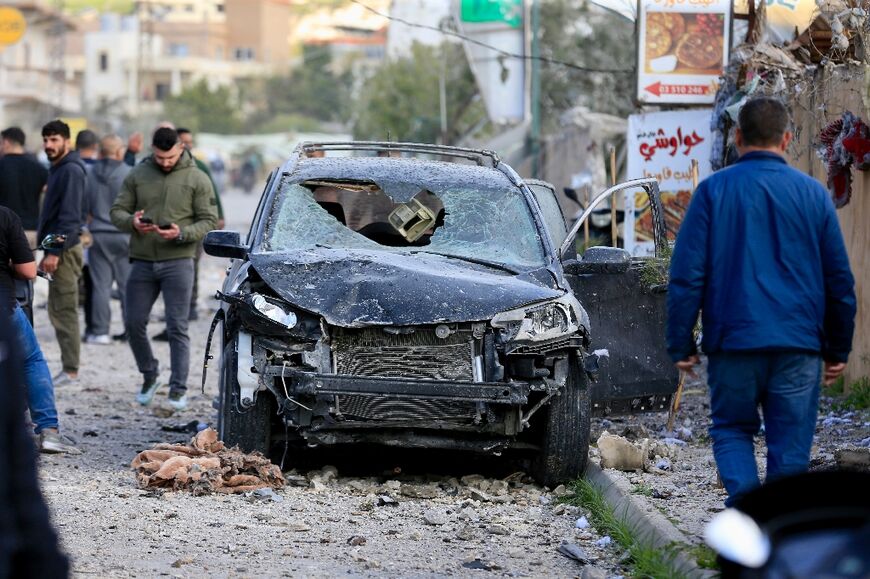
Blasts rocked largely deserted south Beirut early Friday and again in the afternoon, killing two people.
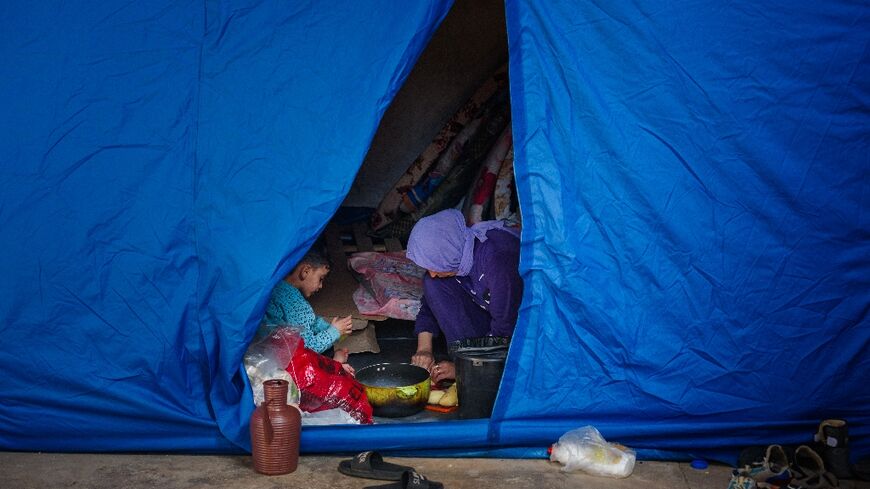
More than one million people are displaced in a "deepening humanitarian crisis," UNHCR's local representative Karolina Lindholm Billing warned, adding that "the risk of a humanitarian catastrophe... is real."
Israel has shown no sign of wavering, with Defence Minister Israel Katz vowing to "intensify and expand" strikes on Iran, despite opposition leader Yair Lapid warning the military was "stretched to the limit and beyond."
Yemen's Houthi movement warned Friday it would join the war if US-Israeli attacks continue hitting Iran or if more countries enter the conflict.
The Houthis have attacked Red Sea shipping in past regional conflicts but have yet to intervene in the month-old war.
burs-arp/ksb