Israeli death penalty bill for Palestinian murder convicts faces vote


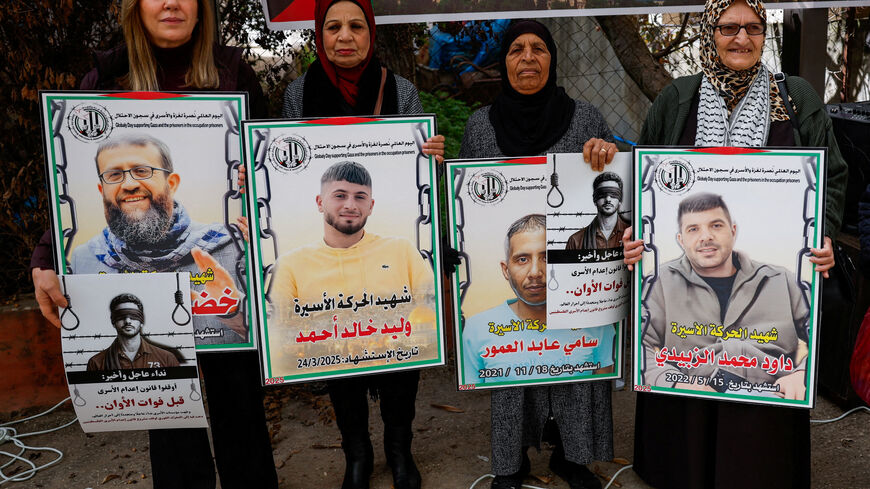
JERUSALEM, March 30 (Reuters) - Israel's parliament is expected on Monday to vote on a bill that would make the death penalty a default sentence for Palestinians convicted in military court of killing Israelis, a measure that Israel's European allies say would unfairly target Palestinians under military occupation.
The measure includes provisions requiring sentencing within 90 days with no right to clemency. It was devised by Itamar Ben-Gvir, the far-right national security minister who along with other ardent supporters has worn noose-shaped lapel pins in the run-up to the vote.
The bill's critics say it aims at Palestinians in the West Bank by instructing military courts in the occupied territory to impose the death penalty in cases involving killings of Israelis, except in "special circumstances". Those courts only try Palestinians and have a near-100% conviction rate, rights groups say.
EUROPEAN STATES SAY BILL IS DISCRIMINATORY
The vote on the bill is the latest action by members of Prime Minister Benjamin Netanyahu's right-wing coalition to cause concern among Israel's allies in Europe, who have also been critical of Jewish settler violence against Palestinians in the West Bank.
Netanyahu's Likud party was expected to vote in favor of the bill. Israeli media reported that he had previously asked for some elements of the measure to be softened to head off an international backlash.
The original bill had mandated the death sentence for non-Israeli citizens in the West Bank convicted of deadly terrorist acts. The revised legislation that is up for a vote on Monday includes the option of life imprisonment.
Even before the vote on its passage, the bill drew criticism from the foreign ministers of Germany, France, Italy and Britain, who said it had a "de facto discriminatory" character toward Palestinians.
"The adoption of this bill would risk undermining Israel's commitments with regards to democratic principles," the ministers said in a joint statement on Sunday.
A group of United Nations experts has said that the bill includes "vague and overbroad definitions of terrorist", meaning the death penalty could be meted out over "conduct that is not genuinely terrorist" in nature.
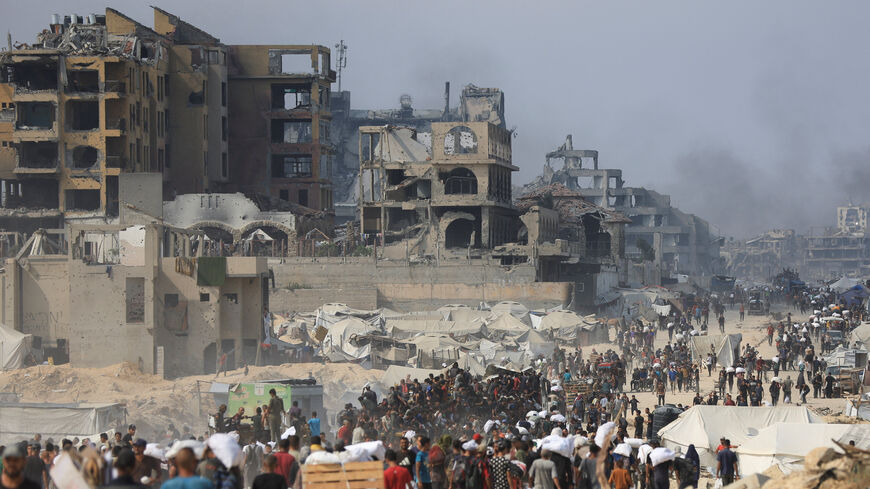
Ben-Gvir has argued that the death penalty would deter those considering an attack similar to the Hamas-led assault of October 7, 2023, that killed nearly 1,200 in Israel. Israel's subsequent military assault in Gaza has killed more than 72,000.
Amnesty International, which tracks countries imposing death penalty laws, says there "is no evidence that the death penalty is any more effective in reducing crime than life imprisonment."
Israeli rights groups have said they will challenge the bill at Israel's Supreme Court if it becomes law.
GLOBAL TREND ON DEATH PENALTY IS TOWARD ABOLITION
Israel abolished the death penalty for murder in 1954. The only person ever executed in Israel after a civilian trial was Adolf Eichmann, an architect of the Nazi Holocaust, in 1962.
Military courts retained the option of imposing a death sentence but have not done so so far.
Some 54 countries around the world permit the death penalty, including a handful of democracies such as the United States and Japan, according to Amnesty International. The group says that the global trend on the death penalty is toward abolition, with 113 countries having outlawed it for all crimes.
The Israeli rights group B'Tselem says that military courts in the West Bank, where Palestinians are tried for alleged crimes, have a 96% conviction rate and have a history of extracting confessions through torture.
Ben-Gvir, known for keeping a portrait in his living room of a Jewish gunman who killed 29 Palestinian worshippers in a West Bank mosque, has overseen an overhaul of Israeli prisons that have led to widespread allegations of torture, starvation, and abuse of Palestinian prisoners.
Israel denies systematic abuse of prisoners in its jails.
Abdallah Al Zughari, the head of the Palestinian Prisoner's Club, said that Palestinians in Israeli jails had already been subject to "slow killing practices" that have led to the deaths of more than 100 prisoners since October 7, 2023.
The death penalty bill, should it become law, would pose a "major threat to the lives of detainees," Zughari said.
(Reporting by Pesha Magid and Ali Sawafta; editing by Rami Ayyub, William Maclean)