Trump threatens to destroy Iran oil island despite price surge


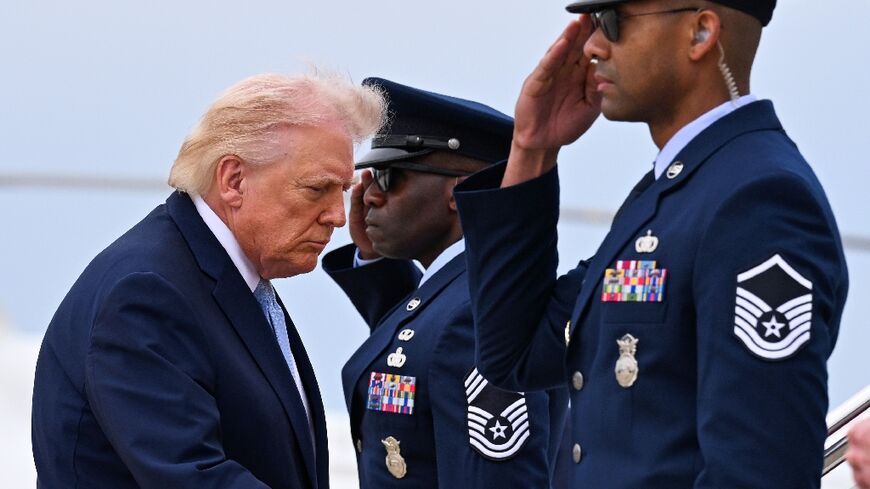
US President Donald Trump threatened Monday to destroy Iran's Kharg Island, a crude oil export hub, along with oil wells and power plants unless Tehran quickly accepted a deal to end the US-Israeli war.
The risk of further escalation, including a potential US ground operation to seize Kharg Island, is sending tremors through financial and energy markets, as well as neighbouring Gulf countries.
In a post on his Truth Social network, Trump voiced hope about US talks with a "more reasonable regime" in Tehran, an apparent reference to new leadership despite the failure of the month-long war to dislodge the Islamic republic.
But Trump warned that if a deal were not struck -- including to reopen the vital Strait of Hormuz shipping lane -- US forces would destroy "all of their Electric Generating Plants, Oil Wells and Kharg Island (and possibly all desalinization plants!)."
Destroying civilian infrastructure such as power and water facilities would be illegal under international humanitarian law and could constitute a war crime, experts say.
Iran has previously threatened to retaliate by targeting energy infrastructure and desalination plants in its Arab neighbours in the Gulf that host the US military, such as the United Arab Emirates, Oman, Qatar and Saudi Arabia.
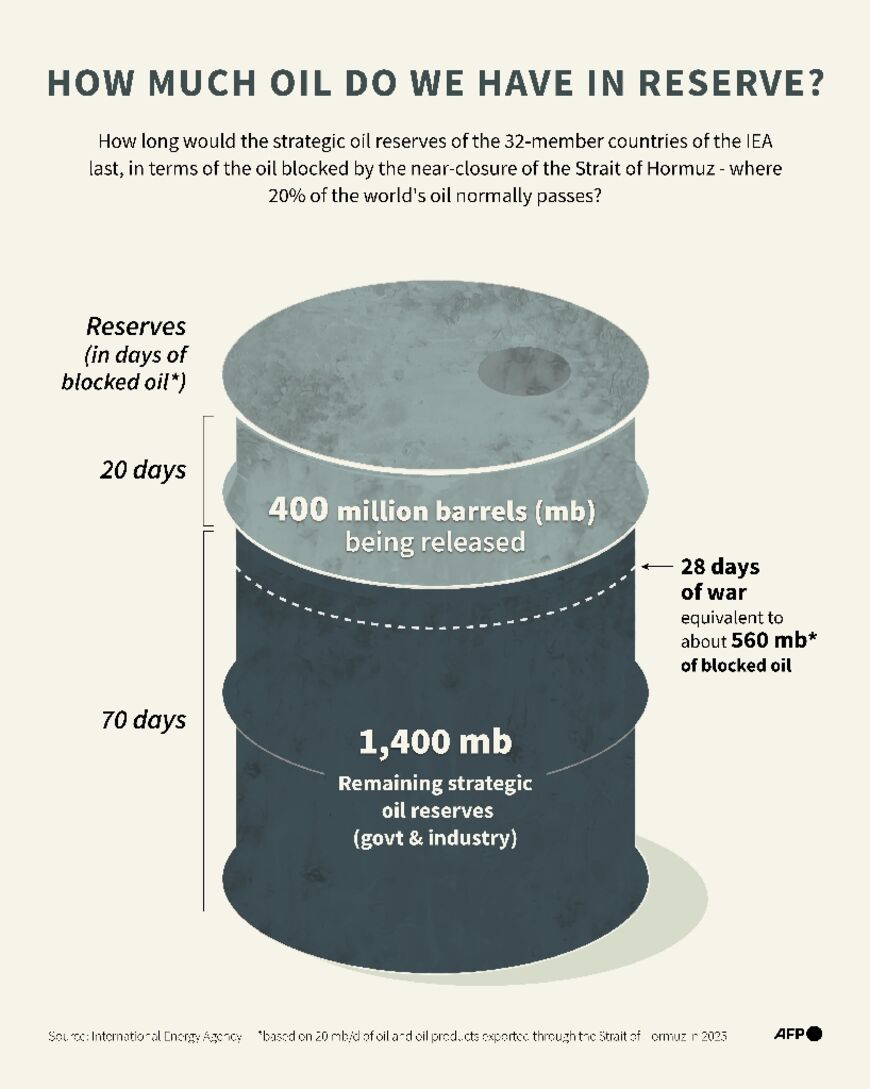
Showing it will not back down, an Iranian parliamentary committee voted to impose tolls on vessels through the Strait of Hormuz, the passageway through which one-fifth of global oil passes.
State television said Iran would forbid the United States and Israel from passing through.
The tolling plan for the strait has outraged the United States, which has spoken of creating a "coalition" to oppose it.
"No one in the world can accept it," Secretary of State Marco Rubio told Al-Jazeera.
"It sets an incredible precedent. So this means that nations can now take over international waterways and claim them as their own," Rubio said of the waterway the US president recently called the "Strait of Trump."
- Oil price causes havoc -
Economy ministers and central bankers from the G7 club of rich countries met in Paris to discuss the war's effects, with many countries introducing energy-saving measures or cutting fuel taxes to help consumers.
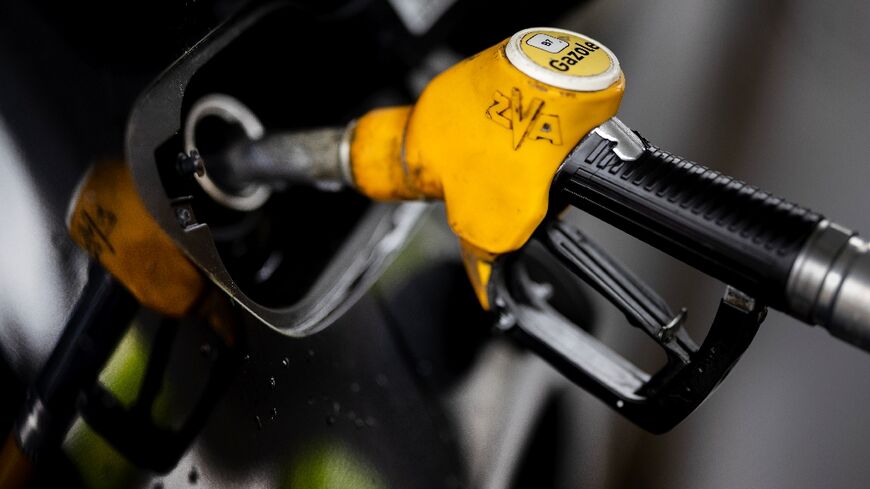
Market experts warned that any US ground operation or wider Iranian retaliation could send oil prices to levels not seen since the July 2008 commodity boom, when the cost of Brent crude, the international benchmark, hit close to $150 a barrel.
Brent has already risen nearly 60 percent this month, and the US benchmark WTI by more than half.
The spectre of a widening conflict grew over the weekend when Iran-backed Houthi rebels in Yemen fired missiles and drones at Israel.
The Houthis have previously threatened shipping through the Red Sea and the Suez canal, which requires vessels to travel through a narrow strait off Yemen's coast.
"The Houthi's ability to disrupt shipping through the Bab al-Mandeb strait, which accounts for roughly 12 percent of global trade, is the new key risk," said analyst Chris Weston at the Australian financial services firm Pepperstone.
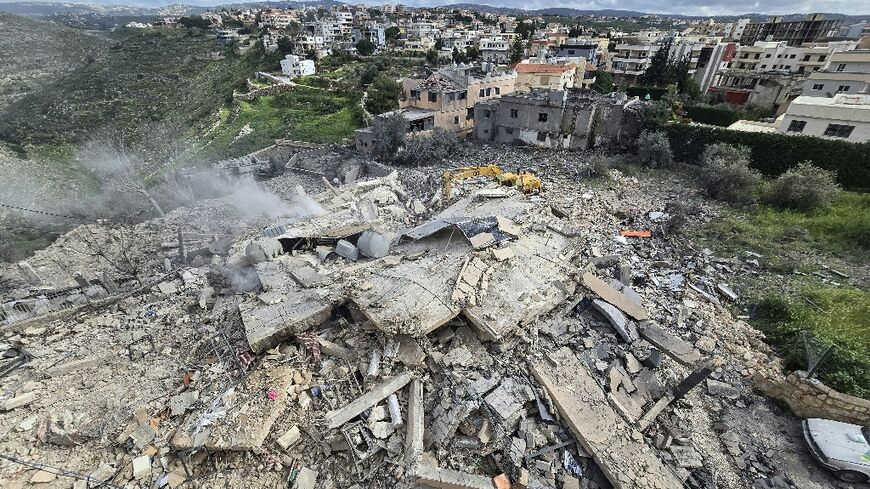
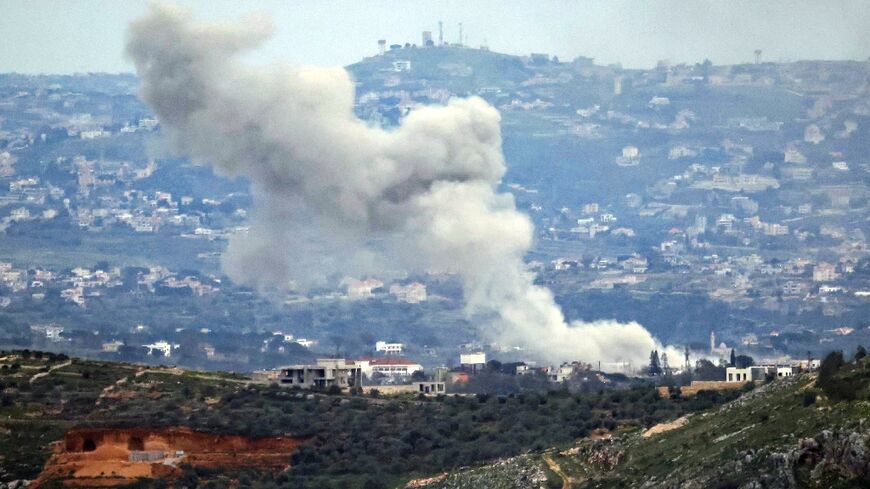
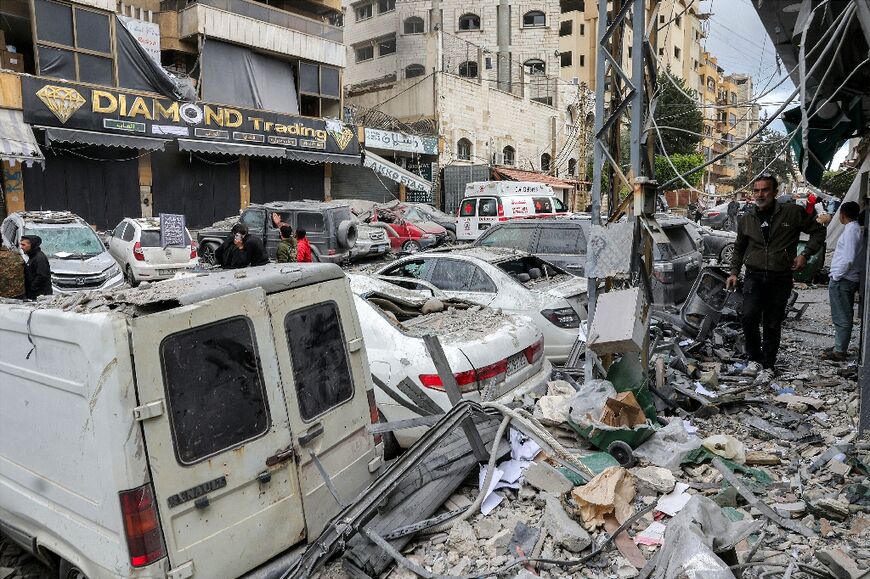
In Lebanon, Israel continued to bombard Beirut's southern suburbs and the country's south, where an airstrike targeted an army checkpoint and killed a soldier.
The United Nations peacekeeping force in south Lebanon, where Israeli and Hezbollah forces are clashing, reported that two of its personnel were killed Monday in "an explosion of unknown origin."
Another peacekeeper was killed on Sunday, with Indonesia confirming one of its soldiers had died.
- New strikes -
Around the Middle East on Monday, there was no let-up in hostilities.
Israel said its air defence batteries responded to missiles launched from Iran, after earlier announcing it was striking military infrastructure across Tehran.
Israel also confirmed it had hit the Imam Hossein University in the capital, which it said was used by Iran's Islamic Revolutionary Guards Corps for advanced weapons research.
In Israel, emergency services reported a fire at an oil refinery in the northern port city of Haifa, which also suffered a blaze on March 19.
Kuwait condemned strikes on a power station and a desalination plant, which killed an Indian worker.
- Egypt pleads for end -
On the diplomatic front, Egyptian President Abdel Fattah al-Sisi, whose country is playing a role in mediating indirect talks between the US and Iran, appealed directly to Trump on Monday to find an offramp.
"Please, help us to stop the war, you are capable of it," Sisi told a press conference with Cypriot President Nikos Christodoulides in Cairo.
Egypt's foreign minister joined counterparts from Saudi Arabia, Turkey and Egypt in the Pakistani capital Islamabad on Sunday for talks on the crisis.
Trump has claimed to be in direct contact with senior Iranian figures who have not been identified publicly.
Rubio said there were "fractures" within the Islamic republic and voiced hope that the Iranian officials allegedly in contact with Washington had the "power to deliver."
But Iranian foreign ministry spokesman Esmaeil Baqaei again denied any negotiations, saying that the United States had sent only a request to talk via intermediaries including Pakistan.
Iranian leaders insist Trump's offer of talks is a smokescreen as he moves thousands of marines and paratroopers to the region for a possible ground invasion.
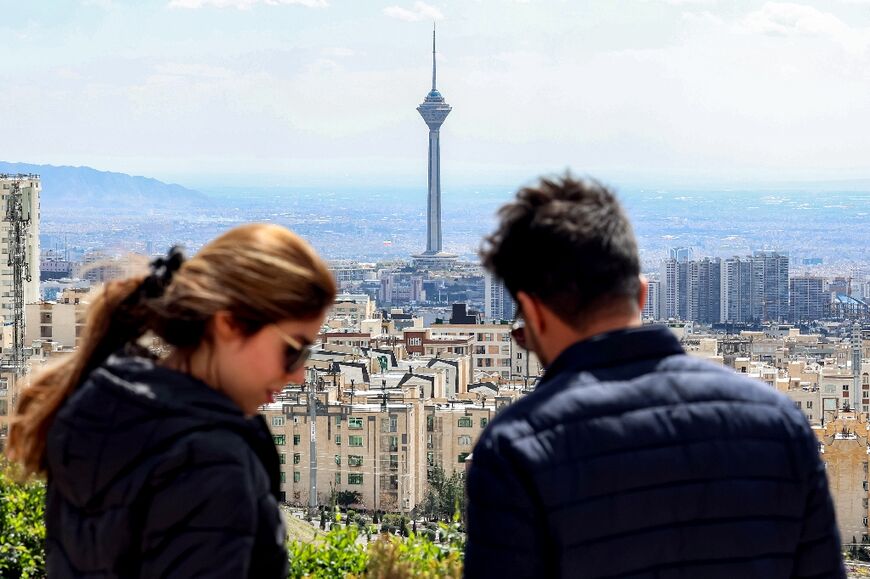
After weeks of strikes, residents of Tehran painted a picture of a city that is still clinging to some routine, with cafes and restaurants open and no shortages reported in supermarkets or petrol stations.
Security remains tight, with checkpoints erected on streets around the capital.
"When I make it to a cafe table, even for a few minutes, I can almost believe the world hasn't ended," said Fatemeh, 27, a dental assistant.
"And then I go back home, back to the reality of living through war, with all its darkness and weight."
burs-adp-sct/js