US mulls lifting sanctions on Iranian oil at sea despite war on Tehran


US Treasury Secretary Scott Bessent said Thursday that Washington might lift sanctions on Iranian oil that is already being shipped, as energy prices soar due to the war in the Middle East.
The deliberation comes as Washington scrambles to ease high energy costs that have been filtering down to US consumers, although a Trump administration official added that "oil and gas export restrictions are not under consideration."
Analysts warn that easing sanctions risks benefiting Tehran -- the target of US-Israeli attacks -- but some see the move as a way to bring partners into a coalition to reopen the Strait of Hormuz.
A source familiar with the situation who was not authorized to speak publicly told AFP that if the easing on Iran took place, it could look similar to the Treasury's temporary authorization of Russian oil purchases recently, which was confined to a narrow timeframe.
Bessent's comments to Fox Business on Thursday came as oil and gas prices made a renewed surge after Iran hit the world's biggest liquefied natural gas facility in Qatar and threatened to destroy the region's energy infrastructure.
He added that the US government could also release more oil from its strategic reserves to help ease price pressure.
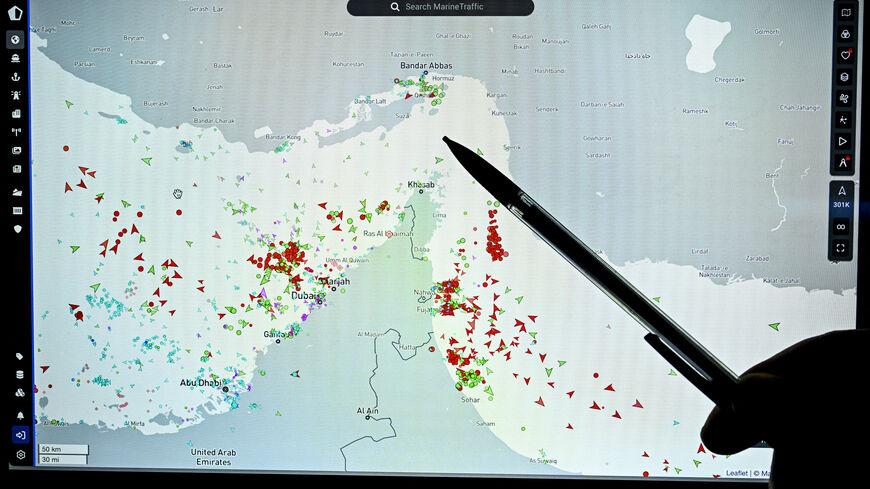
Energy prices have spiked since US-Israeli strikes on Iran on February 28 triggered Tehran's retaliation that brought commercial shipping through the Strait of Hormuz to a virtual halt.
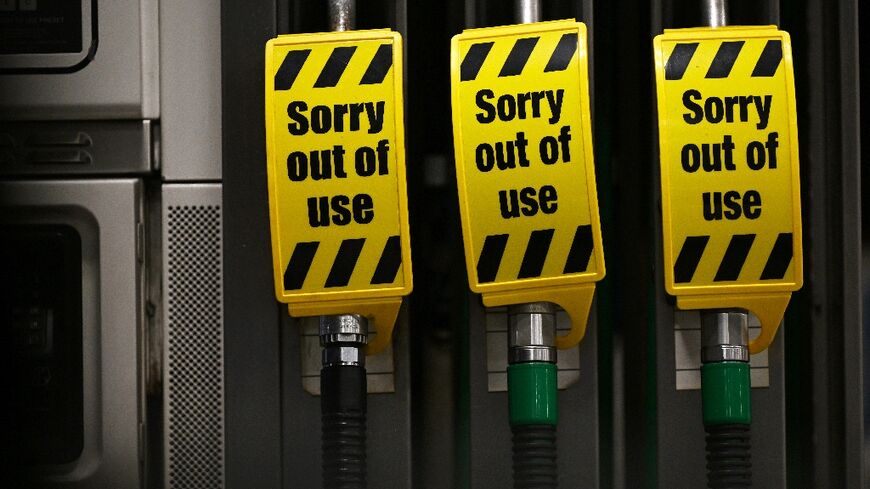
This snarled energy supply chains and is squeezing US consumers.
Around a fifth of global crude oil and LNG passes through the critical waterway during peacetime.
On Thursday, international benchmark brent gained 1.2 percent to $108.65.
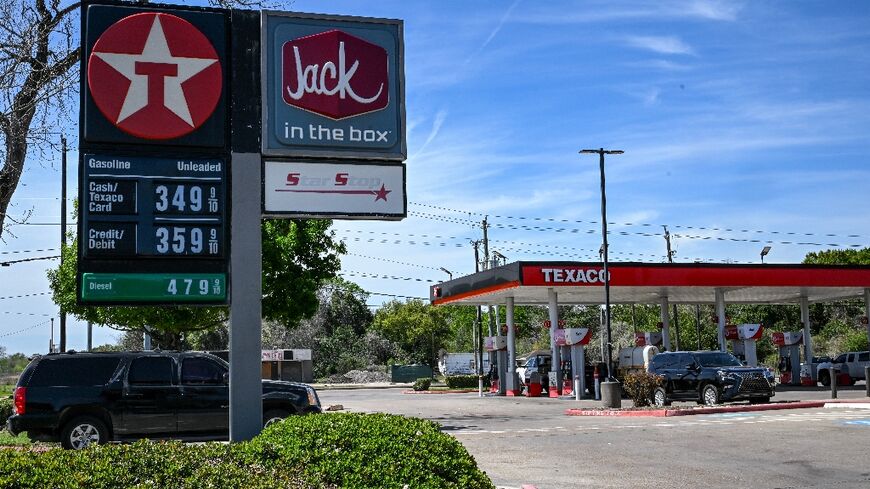
US gasoline prices have also jumped since the war started.
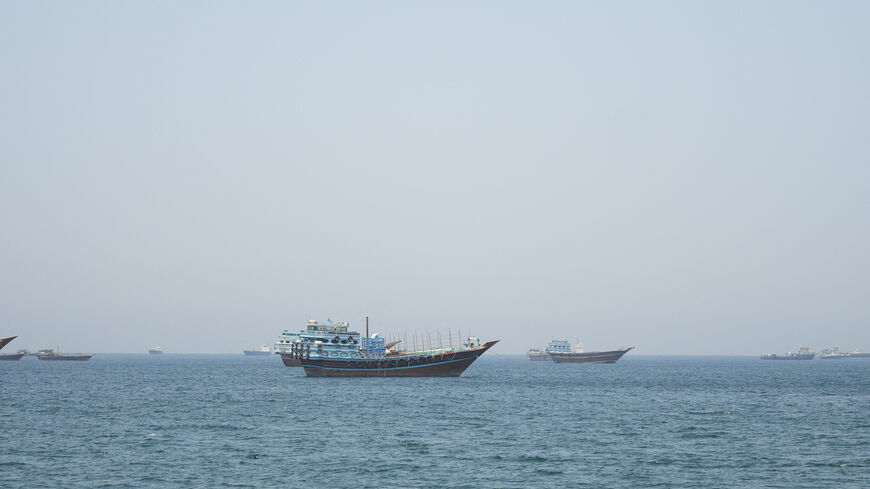
Bessent estimated Thursday that there are around 140 million barrels of Iranian oil on the water, or about two weeks of supply that would have gone to China.
The aim is to use the Iranian barrels against Tehran as Washington seeks to contain price hikes, he said.
The optics of easing Iranian sanctions appears contradictory at face value, said Andy Lipow of Lipow Oil Associates.
"It would appear that we're allowing Iran to sell their oil at the same time that we're at war with them," he added.
- 'Negotiating tactic' -
With global daily oil demand exceeding 100 million barrels, the easing would also free up just 1.5 days' worth of supply internationally, said Philip Luck of the Center for Strategic and International Studies (CSIS).
"If they're thinking about changing prices here in the United States, that's just not going to happen," he told AFP.
But he added that the move could bring minor relief to US allies and partners in Asia.
Rather than lowering costs directly, ING economist James Knightley believes the lifting of sanctions could instead be an indication that Washington wants to work with partners to unblock the Strait of Hormuz.
Trump has previously sought to appeal to France, Japan, China, Britain and South Korea to join in such an effort, he noted.
It "looks like a bit of a negotiating tactic to try and get the Chinese on their side, to bolster this idea behind a naval coalition to reopen the Strait of Hormuz," Knightley told AFP.
Even if the sanctions lifting could "seem counterproductive," Washington might find it "worth the cost" if it helped get China to exert some pressure on Iran, he said.
But for now, German Economy Minister Katherina Reiche told newspaper Bild that money spent on Iranian oil aids a government that stands against shared values.
Washington has taken steps in recent weeks to curb energy price hikes, including temporarily allowing the sale of sanctioned Russian oil that is at sea, with some exceptions.
On Wednesday, Trump waived a century-old maritime shipping law for 60 days, in an attempt to help ease energy prices.