'King of Iraq': Top judge Zaidan played key role in Shelly Kittleson's release
Officials say Faiq Zaidan leveraged his influence with Iran-backed militias to help secure the US journalist’s release, underscoring his outsized power in Iraq’s fractured political landscape.
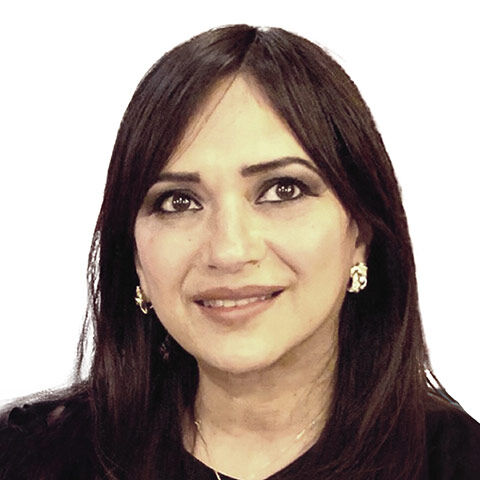

Faiq Zaidan, the president of Iraq’s Supreme Judicial Council who issued a warrant for the arrest of President Donald Trump over the 2020 killing of Islamic Revolutionary Guard Corps commander Qasem Soleimani, played a central role in securing the freedom of US journalist Shelly Kittleson, two officials familiar with the details of her case told Al-Monitor.
“The chief justice was involved from the get-go. He has tremendous influence and used it to good purpose,” one of the officials, speaking on background, said of Zaidan, a controversial figure who is often described as “the king of Iraq” because of the outsized power he wields, allegedly thanks to his intimate ties to Iran.
Kittleson, a freelance reporter, was released by the Iran-backed Shiite militia group Kataib Hezbollah on Tuesday and is believed to be flying out of the country after Iraq declared its airspace open in the wake of the ceasefire deal between Iran and the United States. News of her freedom came hours before Trump announced a two-week ceasefire with Iran.
In a statement late Tuesday announcing Kittleson’s release, Secretary of State Marco Rubio singled out Zaidan’s office for its assistance in ending her captivity. Rubio made a further reference to “our Iraqi partners,” without naming them. The absence of any mention of Iraqi Prime Minister Mohammed Shia al-Sudani was notable, several people familiar with the negotiations said. Zaidan and Sudani are widely known to be hostile to one another. Tom Barrack, the US special envoy to Syria who now handles Iraq as well, enjoys cordial ties with both, well-placed sources told Al-Monitor.


