Lebanon rejects Iran negotiating on its behalf, PM says only Beirut handles talks
Israel launched its largest attack against Lebanon in the war, firing over 160 munitions across the country. At least 203 people were killed and 1,072 injured, while 33 remain missing, authorities said.


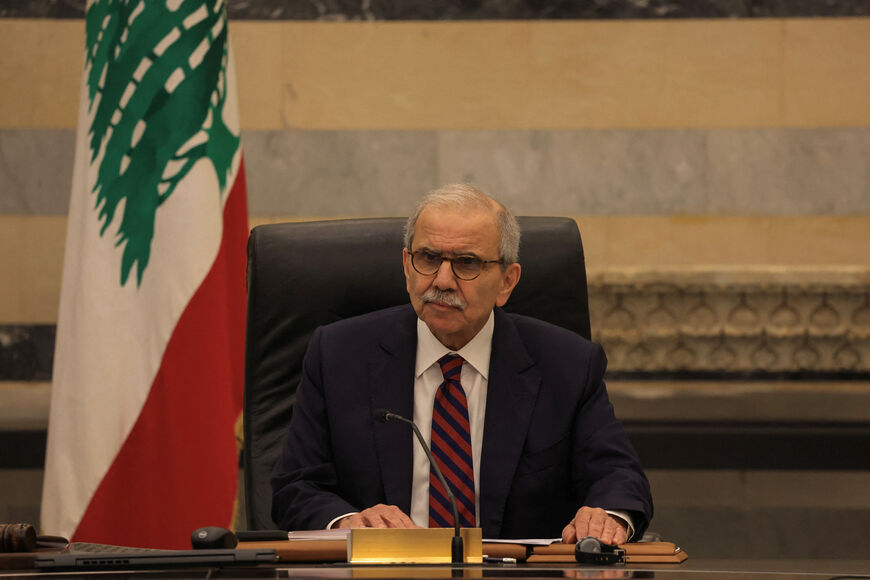
BEIRUT — Amid uncertainty over whether the US-Iran ceasefire extends to Lebanon after a day of intense Israeli airstrikes in Beirut, Lebanese Prime Minister Nawaf Salam said on Thursday that his government alone is responsible for negotiating an end to Israeli hostilities.
“Negotiations must be conducted solely by the Lebanese state,” Salam said following a cabinet meeting.
The premier also instructed the Lebanese army to strengthen state control in Beirut and ensure that weapons remain in the hands of legitimate security forces.
He added that the government will file an urgent complaint with the UN Security Council against Israel over its attacks, including Wednesday’s escalation, with expanded strikes across the south, eastern Bekaa Valley, and central Beirut.
What happened: Salam’s statements reflect growing alignment among Lebanese officials pushing back on Iranian statements demanding that Lebanon be part of the US-Iran ceasefire.
In comments to Saudi-owned Asharq al-Awsat on Wednesday, Salam stressed that no party should speak for Lebanon.
“No one negotiates in the name of Lebanon except the Lebanese state,” Salam said.
“With the announcement of an agreement between the US and Iran, we are intensifying contacts and diplomatic efforts to secure a ceasefire in Lebanon,” he added.
Commenting on the US-Iran ceasefire, the Lebanese Foreign Ministry said on Wednesday that it welcomes the agreement as an important step toward de-escalation, but stressed that “no entity has the right to negotiate on behalf of Lebanon.”
“Any overstepping constitutes a direct violation of Lebanon’s sovereignty and national decision,” the ministry said, adding that Lebanon has previously announced its readiness for direct negotiations with Israel with civilian participation and international sponsorship.
Echoing a similar position, Nadim Gemayel, an MP and member of the Phalange (Kataeb) party, on Thursday said, “Lebanon is no one's bargaining chip.”
In a post on X, Gemayel called for separating the Lebanese file from talks involving the United States, Israel, and Iran.
“Lebanon is not part of Iran, nor will it ever be,” he said. “Including it in this framework entrenches Iran's dominance over its sovereign decisions and turns it into a bargaining chip.”
What it means: The statements came in response to Iranian parliament Speaker Mohammad Bagher Ghalibaf accusing the United States of violating elements of Iran's 10-point plan, including one demanding an end to Israeli attacks in Lebanon. The Trump administration insisted that a ceasefire in Lebanon was not part of the arrangement.
Iranian President Masoud Pezeshkian said on Wednesday that a ceasefire in Lebanon was a key condition for ending the Middle East war.
In the early hours of Wednesday, US President Donald Trump announced a 45-day ceasefire with Iran, marking a pause in the war that began Feb. 28.
Israeli Prime Minister Benjamin Netanyahu and the White House said the ceasefire did not include Lebanon, which was pulled into the conflict after Hezbollah, in support of Iran, began launching rockets toward Israel on March 2, triggering an Israeli military campaign.
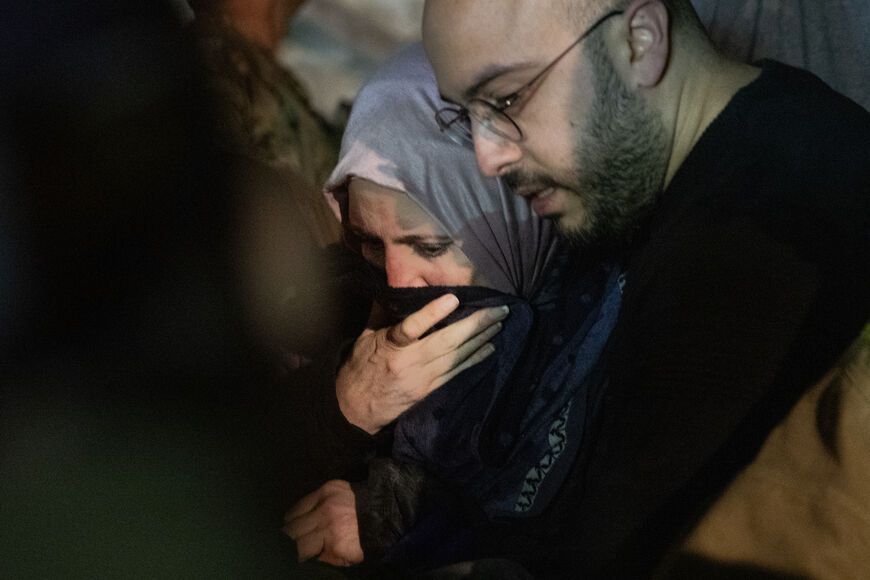
Hours after the ceasefire, Israel launched its largest assault against Lebanon in the war, firing more than 160 munitions at targets around the country. At least 203 people were killed and 1,072 injured, while 33 remain missing, according to Information Minister Paul Morcos.
The Israeli military said it had struck 100 Hezbollah targets within 10 minutes. On Thursday, it confirmed the killing of Ali Yusuf Harshi, the personal secretary and nephew of the group’s leader, Naim Qassem, in a strike on Beirut.
Hezbollah, which had briefly ceased attacks after the ceasefire announcement, said it retains the right to respond. On Thursday, the group claimed responsibility for rocket attacks against military positions and villages in northern Israel.
Israeli airstrikes continued Thursday, hitting southern Beirut.
Know more: Wednesday’s escalation in Beirut prompted global condemnation, with calls to include Lebanon in the US-Iran ceasefire.
French Foreign Minister Jean-Noel Barrot condemned the Israeli strikes as “unacceptable.”
“Yes, Iran must stop threatening Israel through Hezbollah, which must be disarmed and return its weapons to the Lebanese state. But no, Lebanon must not be the scapegoat after a ceasefire was reached between the United States and Iran,” Barrot said.
Far-right leader Marine Le Pen also called on France to protect Lebanon and its sovereignty.
“It is our country's duty to protect Lebanon, its people, and its sovereignty. This country is once again a collateral victim of regional tensions, suffering massive bombings on its capital,” she wrote on X.
French President Emmanuel Macron said he had spoken to Pezeshkian and Trump to express support for the ceasefire, emphasizing that including Lebanon is “a necessary condition for the ceasefire to be credible and lasting.”
This one's on us.
The story doesn't end here.
Our correspondents are already on the next chapter. Read everything they file, from $2/week.
See Offers