War in the Middle East: latest developments


The latest developments in the Middle East war:
- China urges talks -
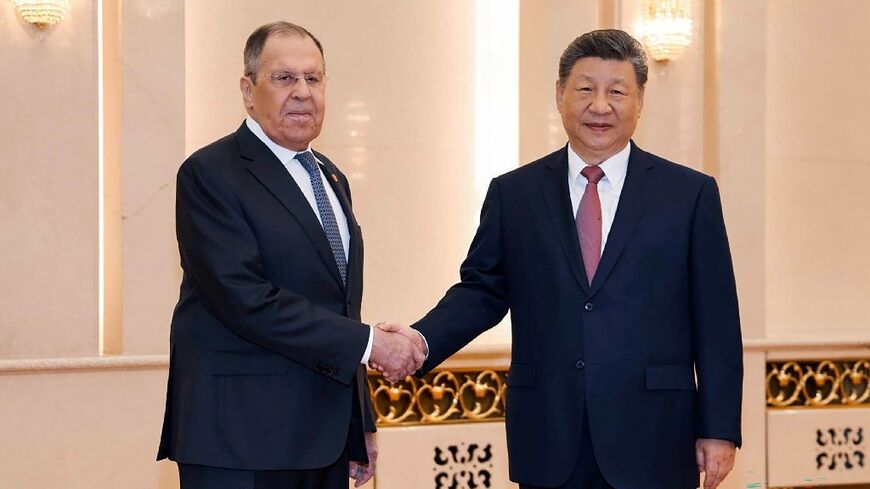
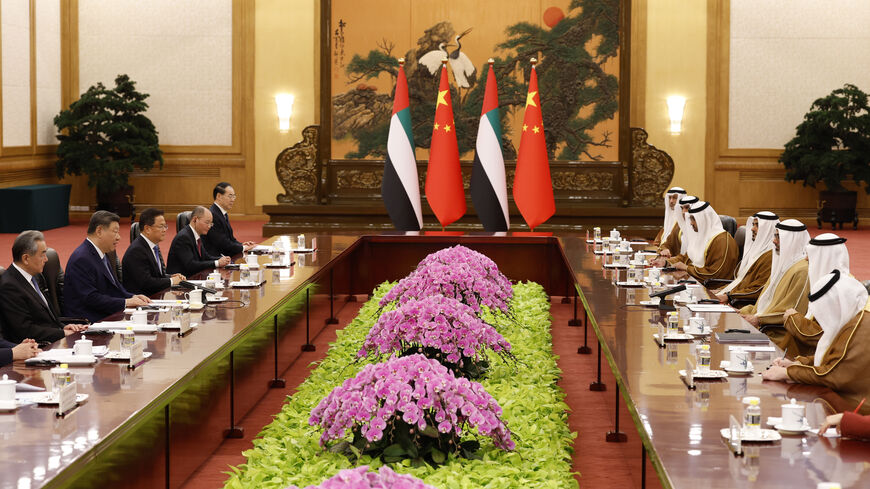
China's President Xi Jinping vowed Tuesday his country would play a "constructive role" in promoting further peace talks and called for the national sovereignty of countries in the Middle East and Gulf to be "respected", state media reported.
Xi stressed "China's principled stance of promoting peace and urging talks", according to state news agency Xinhua, as the United States began a blockade of Iranian ports after a first round of peace talks ended without agreement.
Spanish Prime Minister Pedro Sanchez, who met with Xi on a visit to Beijing, said China could play an "important role" in ending the war.
- US seeks pause of Iran uranium enrichment -
The United States sought a 20-year suspension of Iran's uranium enrichment programme as part of a deal to end the war, according to media reports Monday, after Washington and Tehran failed to come to an agreement.
US President Donald Trump launched the war on February 28 saying Iran was developing an atomic bomb -- which it denies -- and vowed to never let the Islamic republic get its hands on a nuclear weapon.
- Oil plunges on hopes for deal -
Oil prices plunged and stocks rose on Tuesday on hopes for a deal to end the war, with Trump saying Tehran had called to seek an agreement, even as a US blockade of Iranian ports came into force.
While weekend peace talks in Pakistan ended with no breakthrough, investors took heart from the fact the two sides found some areas of agreement, with the Islamic republic saying they had been "inches away" at one point.
- Iran slams US blockade -
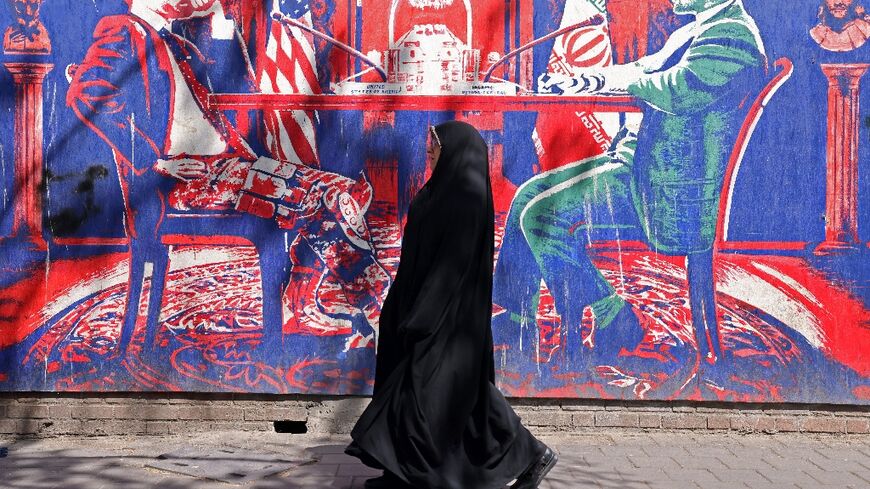
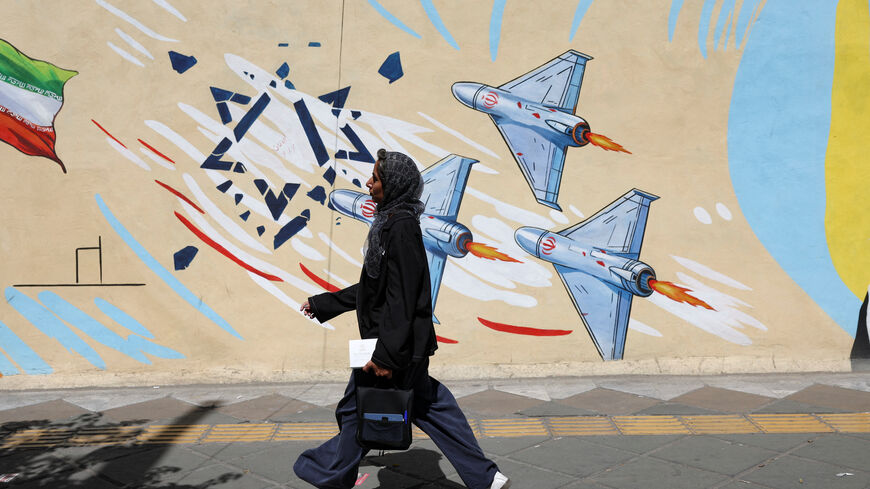
Iran slammed a US blockade around its ports on Monday as a "grave violation" of its sovereignty.
Trump said earlier that US forces would destroy any Iranian "fast attack ships" that approach the American naval blockade of Iranian ports that came into effect on Monday.
- Hezbollah urges Lebanon drop Israel talks -
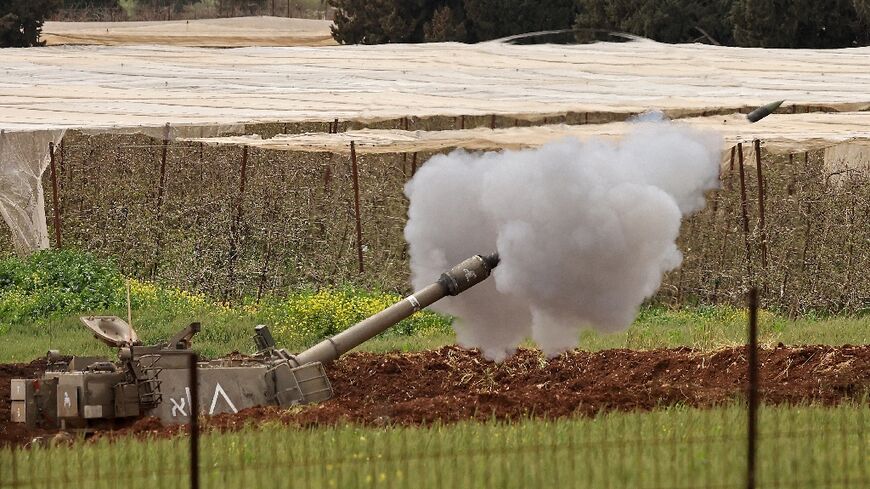
Hezbollah leader Naim Qassem urged Lebanon to cancel planned talks Tuesday with Israel in Washington, reiterating his group's rejection of direct negotiations with the neighbouring country.
"We call for a historic and heroic stance by cancelling this negotiating meeting," Qassem, whose Iran-backed group has been at war with Israel since March 2, said in a televised address.
The Lebanese and Israeli ambassadors to the United States are scheduled to meet on Tuesday.
- Tough outlook for energy markets -
April could shape up to be a tougher month than March for energy markets and the economy, the head of the International Energy Agency said Monday.
Fatih Birol said March saw delivery of cargo loaded before the crisis in the Middle East, but "during the month of April, nothing has been loaded".
"The longer the disruption is, the more severe the problem becomes," he told reporters after a meeting at the International Monetary Fund in Washington.
- Trump says ships pass Strait of Hormuz -
Trump said 34 ships had passed through the Strait of Hormuz, but the figure could not be immediately corroborated.
"34 Ships went through the Strait of Hormuz yesterday, which is by far the highest number since this foolish closure began," he posted on Truth Social on Monday.
- No Trump apology -
Trump said he had "nothing to apologise for" after criticising Pope Leo XIV's calls for an end to the conflict in the Middle East.
"Pope Leo said things that are wrong. He was very much against what I'm doing with regard to Iran, and you cannot have a nuclear Iran," said Trump, adding that the US-born pope was "very weak on crime and other things".
Meanwhile, Italian Prime Minister Giorgia Meloni condemned Trump's criticism of Leo as "unacceptable".
- Trump: Iran wants a deal -
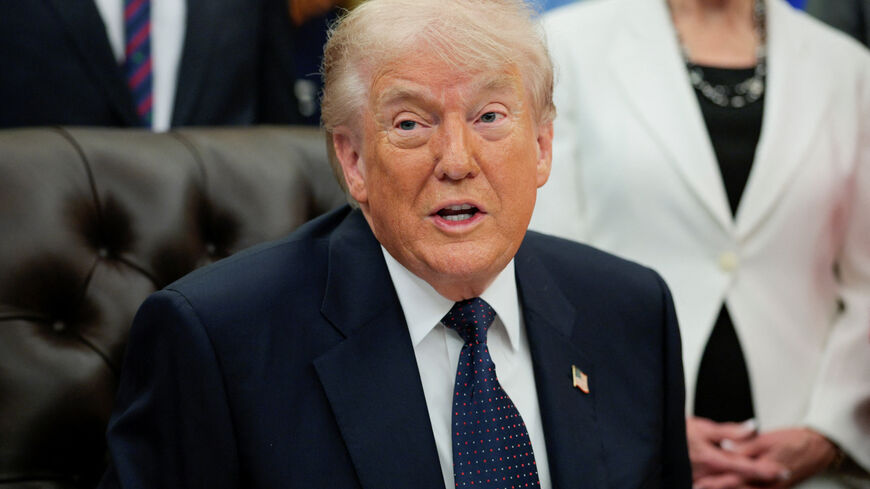
Trump said Iranian representatives had called to make a peace deal after talks in Pakistan ended at the weekend without agreement.
"I can tell you that we've been called by the other side. They'd like to make a deal. Very badly, very badly," he told reporters outside the Oval Office, without identifying which officials had called.
burs-jhb/gv`