War in the Middle East: latest developments


The latest developments in the Middle East war:
- Lebanon declares day of mourning -
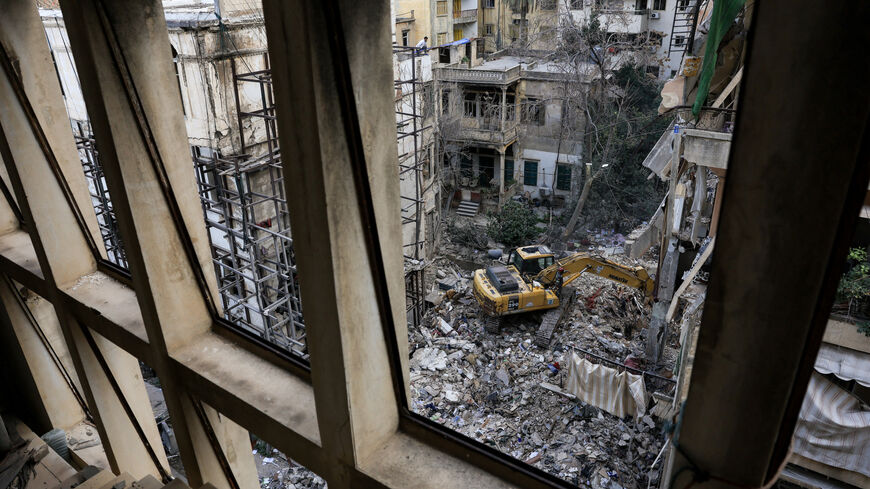
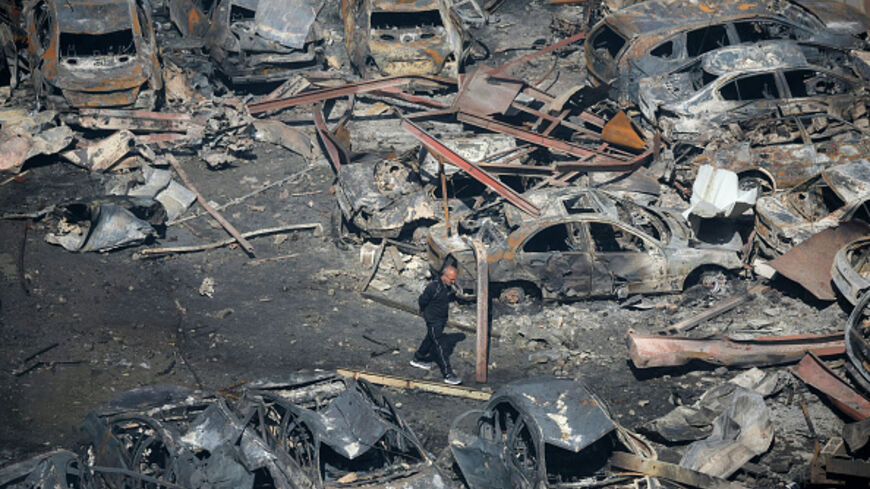
Lebanese Prime Minister Nawaf Salam declared Thursday a national day of mourning after Israeli strikes pummelled the country, killing at least 182 people and wounding 890, according to the health ministry.
The strikes were Israel's heaviest on neighboring Lebanon -- including in densely packed central Beirut -- since the Iran-backed militant group Hezbollah joined the war in early March.
- Hezbollah fires at Israel -
Iran-backed militant group Hezbollah said Thursday it had fired rockets towards Israel in response to its "violation" of the US-Iran truce.
It came a day after the Lebanese group said it has a "right" to respond to a deadly wave of Israeli strikes across Lebanon.
- Iran announces alternative Hormuz routes -
Iran announced alternative routes on Thursday for ships travelling through the Strait of Hormuz, citing the risk of sea mines in the main zone of the vital waterway.
The statement shared instructions for an alternative entry and exit route through the strait.
- Red Cross 'outraged' by Lebanon strikes -
The Red Cross said it was "outraged by the devastating death and destruction" caused by Israeli strikes in densely populated areas across Lebanon on Wednesday.
"People across Lebanon were holding their breath for a ceasefire agreement, but a wave of deadly strikes plunged the country into panic and chaos," said Agnes Dhur, the ICRC's head of delegation in Lebanon.
- Macron: Ceasefire must include Lebanon -
French President Emmanuel Macron urged US President Donald Trump and Iranian President Masoud Pezeshkian to include Lebanon in the ceasefire the two sides had reached.
"I expressed my hope that the ceasefire will be fully respected by each of the belligerents, across all areas of confrontation, including in Lebanon," Macron wrote on X after speaking with both leaders.
- Tehran residents 'relieved' -
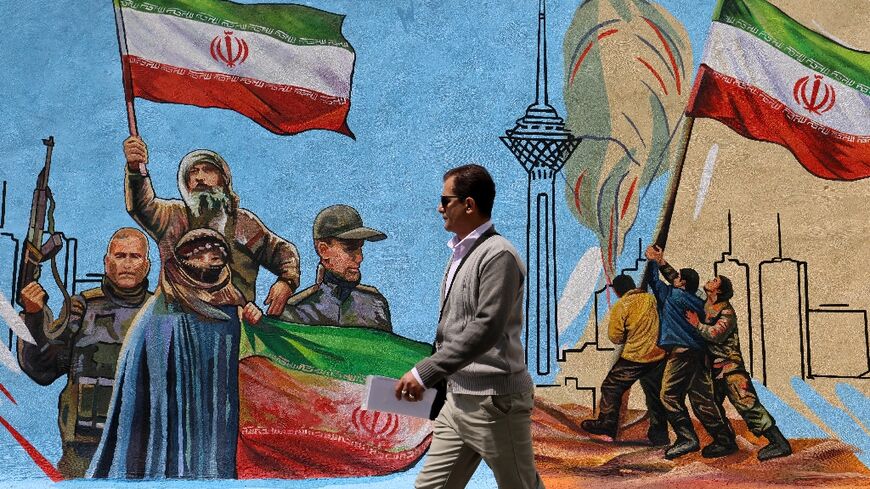
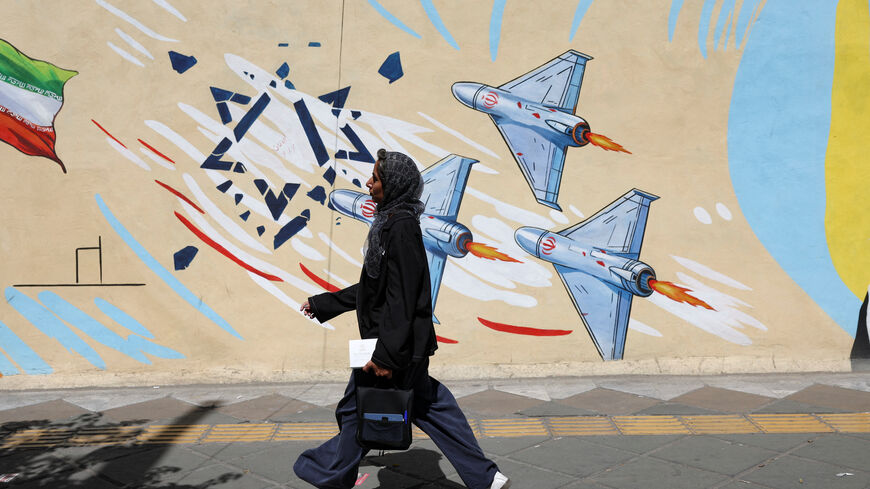
Some in the Iranian capital feared the ceasefire will come to naught, but others declared victory and most breathed a sigh of relief after weeks of bombardment.
"Everyone is at ease now, we are more relaxed," Sakineh Mohammadi, a 50-year-old housewife, told AFP, saying she was "proud" of her country.
- Stocks soar as oil plummets -
Oil prices climbed and stocks fell Thursday on fears over the nascent US-Iran ceasefire after Tehran threatened to resume hostilities after Israel launched a major bombardment of Lebanon.
- Iran demands Lebanon truce -
Pezeshkian said a halt to Israeli attacks in Lebanon was one of the key conditions of the Islamic Republic's 10-point plan for securing an end to the Middle East war, state media reported Wednesday.
- Vance to lead US delegation to Islamabad -
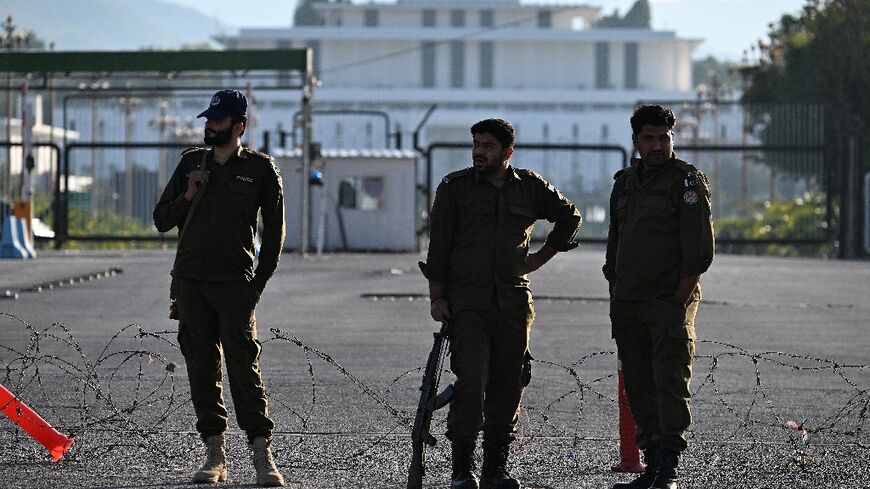
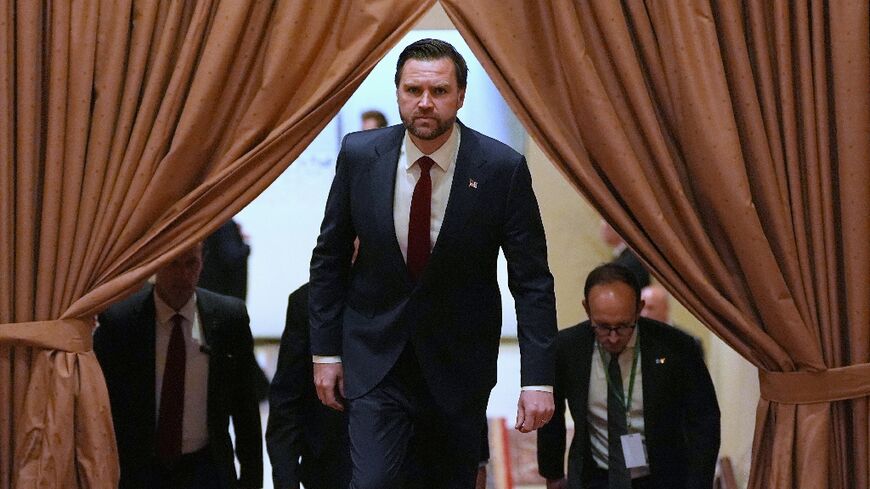
US Vice President JD Vance will lead talks with Iran beginning Saturday in Islamabad, and will be joined by special envoy Steve Witkoff and Trump's son-in-law Jared Kushner, the White House said.
Speaking to reporters in Hungary, Vance urged Iran not to let the truce fall apart over Lebanon, insisting that a halt to Israel's fighting there had never been a part of the agreement reached the night before.
- UN outrage over Lebanon killings -
The UN rights chief and the International Committee of the Red Cross (ICRC) voiced outrage over Israel's attacks on Lebanon.
"The scale of the killing and destruction in Lebanon today is nothing short of horrific," UN High Commissioner for Human Rights Volker Turk said. "Such carnage, within hours of agreeing to a ceasefire with Iran, defies belief."
The ICRC said it was "outraged by the devastating death and destruction."
- Israel ready to 'return to battle' -
Prime Minister Benjamin Netanyahu said Israel remained prepared to confront Iran if necessary, despite the US-Iran truce.
"Let me be clear: We still have objectives to complete, and we will achieve them -- either through agreement or through renewed fighting," Netanyahu said in a televised statement.
burs-pnb/jgc/cms/tc